What is VFX compositing, and why can technically correct layers still fail to look like one photographed image?
What is VFX compositing is a practical production question, not a software definition. The useful answer connects creative intent, technical method, budget, review, and delivery. This guide explains that process for directors, producers, agency teams, VFX supervisors, and post-production clients.
The goal is a final shot in which every photographed and digital element appears to share the same camera, light, atmosphere, depth, and image texture. Explore Mimic VFX for related services and project examples, then use the sections below to plan a realistic brief and approval process.
Table of Contents
What Is VFX Compositing?

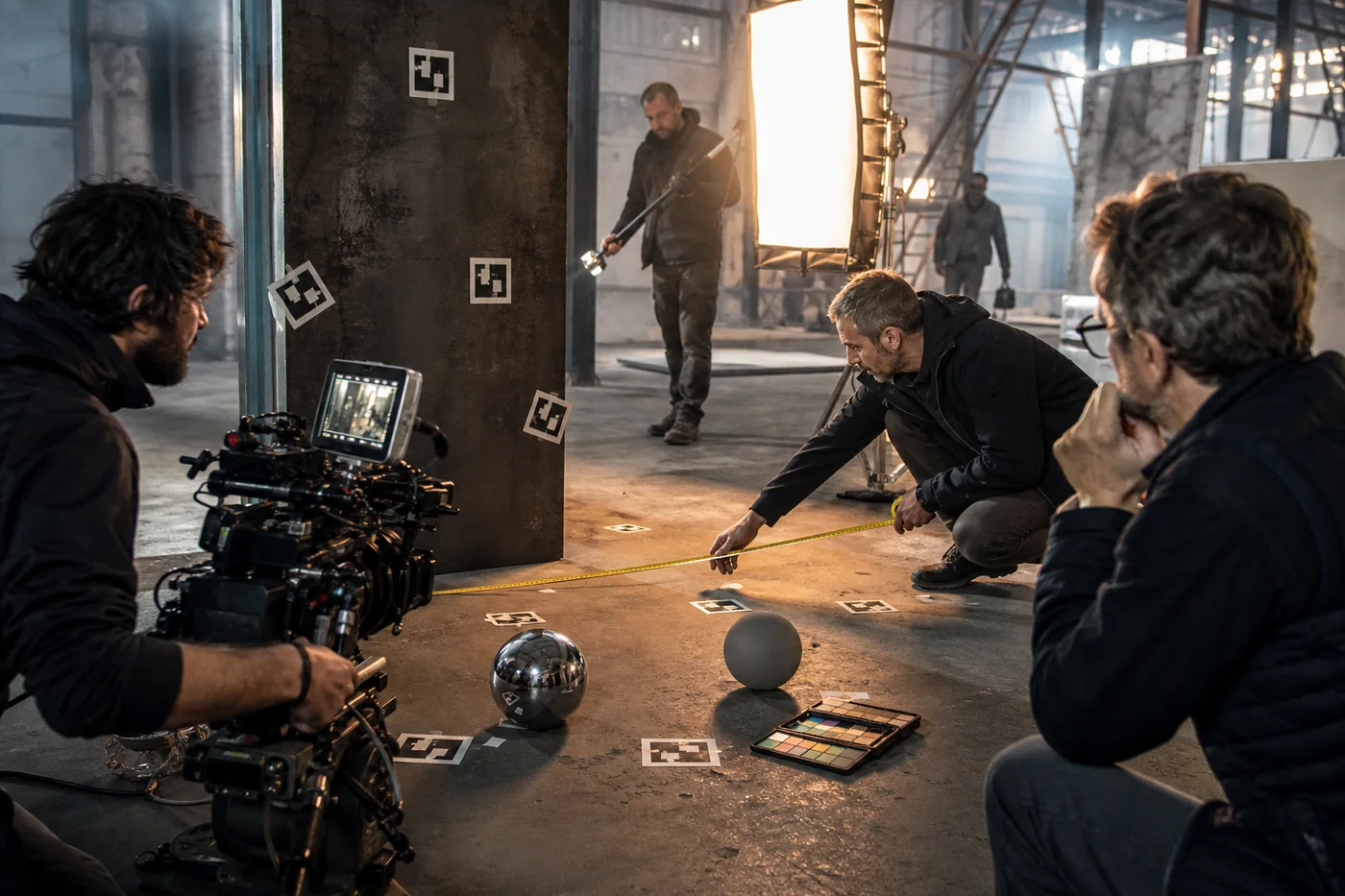
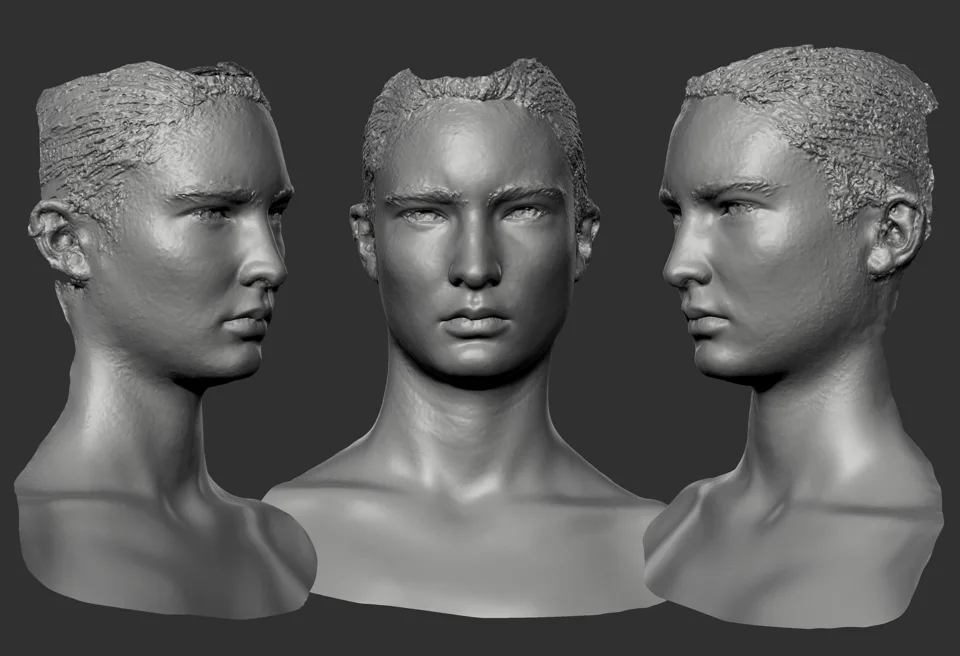
Compositing assembles plates, CGI renders, matte paintings, practical elements, cleanup, graphics, and color adjustments. It is not simply stacking layers. The compositor controls the visual relationships that make separate sources read as one shot.
The practical question is not whether the team can produce a sophisticated result, but whether the chosen method answers the brief. For directors, producers, agency teams, VFX supervisors, and post-production clients, the work should be divided into inputs, decisions, production tasks, review points, and measurable delivery criteria. That structure makes cost and responsibility visible before late changes become expensive.
Quality depends on relationships between details. Timing, scale, continuity, context, accessibility, image or data integrity, and delivery requirements must work together. A polished surface cannot rescue a weak source, an unclear approval chain, or a test that does not represent real use. Review the work in context and record specific evidence instead of relying on general reactions. Read a related Mimic VFX guide for a connected example.
Turn this section into a working checklist. Confirm the intended audience, source material, assumptions, owner of each approval, output format, and one test that would expose a bad result. Review an early sample before scaling. This keeps revisions focused on a final shot in which every photographed and digital element appears to share the same camera, light, atmosphere, depth, and image texture.
How Does the VFX Compositing Workflow Work?

A typical workflow covers plate preparation, color management, keying or rotoscoping, tracking, CG integration, effects passes, cleanup, review, and final delivery. Work stays nondestructive so individual decisions can be revised.
The practical question is not whether the team can produce a sophisticated result, but whether the chosen method answers the brief. For directors, producers, agency teams, VFX supervisors, and post-production clients, the work should be divided into inputs, decisions, production tasks, review points, and measurable delivery criteria. That structure makes cost and responsibility visible before late changes become expensive.
Quality depends on relationships between details. Timing, scale, continuity, context, accessibility, image or data integrity, and delivery requirements must work together. A polished surface cannot rescue a weak source, an unclear approval chain, or a test that does not represent real use. Review the work in context and record specific evidence instead of relying on general reactions. Read a related Mimic VFX guide for a connected example.
Turn this section into a working checklist. Confirm the intended audience, source material, assumptions, owner of each approval, output format, and one test that would expose a bad result. Review an early sample before scaling. This keeps revisions focused on a final shot in which every photographed and digital element appears to share the same camera, light, atmosphere, depth, and image texture.
How Do Compositors Make CGI Look Real?

Believable integration depends on perspective, edge behavior, light direction, shadow density, reflections, atmosphere, depth of field, motion blur, lens distortion, grain, chromatic behavior, and the black and white levels of the plate.
The practical question is not whether the team can produce a sophisticated result, but whether the chosen method answers the brief. For directors, producers, agency teams, VFX supervisors, and post-production clients, the work should be divided into inputs, decisions, production tasks, review points, and measurable delivery criteria. That structure makes cost and responsibility visible before late changes become expensive.
Quality depends on relationships between details. Timing, scale, continuity, context, accessibility, image or data integrity, and delivery requirements must work together. A polished surface cannot rescue a weak source, an unclear approval chain, or a test that does not represent real use. Review the work in context and record specific evidence instead of relying on general reactions. Read a related Mimic VFX guide for a connected example.
Turn this section into a working checklist. Confirm the intended audience, source material, assumptions, owner of each approval, output format, and one test that would expose a bad result. Review an early sample before scaling. This keeps revisions focused on a final shot in which every photographed and digital element appears to share the same camera, light, atmosphere, depth, and image texture.
When Are Keying and Rotoscoping Used?

Green-screen keying separates subjects by color. Rotoscoping creates animated masks when color separation is unavailable or insufficient. Production shots often need both, plus edge repair, despill, hair detail, and motion-blur reconstruction.
The practical question is not whether the team can produce a sophisticated result, but whether the chosen method answers the brief. For directors, producers, agency teams, VFX supervisors, and post-production clients, the work should be divided into inputs, decisions, production tasks, review points, and measurable delivery criteria. That structure makes cost and responsibility visible before late changes become expensive.
Quality depends on relationships between details. Timing, scale, continuity, context, accessibility, image or data integrity, and delivery requirements must work together. A polished surface cannot rescue a weak source, an unclear approval chain, or a test that does not represent real use. Review the work in context and record specific evidence instead of relying on general reactions. Read a related Mimic VFX guide for a connected example.
Turn this section into a working checklist. Confirm the intended audience, source material, assumptions, owner of each approval, output format, and one test that would expose a bad result. Review an early sample before scaling. This keeps revisions focused on a final shot in which every photographed and digital element appears to share the same camera, light, atmosphere, depth, and image texture.
How Is a Composite Reviewed?

Review should cover the shot at full speed, frame by frame, and in context with adjacent edits. Teams check edges, tracking, light, contact, temporal stability, color continuity, grain, focus, and whether the story point reads immediately.
The practical question is not whether the team can produce a sophisticated result, but whether the chosen method answers the brief. For directors, producers, agency teams, VFX supervisors, and post-production clients, the work should be divided into inputs, decisions, production tasks, review points, and measurable delivery criteria. That structure makes cost and responsibility visible before late changes become expensive.
Quality depends on relationships between details. Timing, scale, continuity, context, accessibility, image or data integrity, and delivery requirements must work together. A polished surface cannot rescue a weak source, an unclear approval chain, or a test that does not represent real use. Review the work in context and record specific evidence instead of relying on general reactions. Read a related Mimic VFX guide for a connected example.
Turn this section into a working checklist. Confirm the intended audience, source material, assumptions, owner of each approval, output format, and one test that would expose a bad result. Review an early sample before scaling. This keeps revisions focused on a final shot in which every photographed and digital element appears to share the same camera, light, atmosphere, depth, and image texture.
What Should Clients Prepare for Compositing?
Useful turnover includes original plates, handles, edit references, camera and lens data, color pipeline details, clean plates, mattes, approved CG versions, naming rules, delivery specifications, and clear notes about what is creative versus technical.
The practical question is not whether the team can produce a sophisticated result, but whether the chosen method answers the brief. For directors, producers, agency teams, VFX supervisors, and post-production clients, the work should be divided into inputs, decisions, production tasks, review points, and measurable delivery criteria. That structure makes cost and responsibility visible before late changes become expensive.
Quality depends on relationships between details. Timing, scale, continuity, context, accessibility, image or data integrity, and delivery requirements must work together. A polished surface cannot rescue a weak source, an unclear approval chain, or a test that does not represent real use. Review the work in context and record specific evidence instead of relying on general reactions. Read a related Mimic VFX guide for a connected example.
Turn this section into a working checklist. Confirm the intended audience, source material, assumptions, owner of each approval, output format, and one test that would expose a bad result. Review an early sample before scaling. This keeps revisions focused on a final shot in which every photographed and digital element appears to share the same camera, light, atmosphere, depth, and image texture.
Frequently Asked Questions
Is compositing the same as editing?
No. Editing arranges shots in time. Compositing changes or combines visual material inside an individual shot.
Which software is used for VFX compositing?
Nuke is common in film and high-end episodic work. After Effects, Fusion, Flame, and other tools are also used depending on the production.
What does a VFX compositor do?
A compositor combines source elements, solves integration problems, responds to creative notes, and delivers the finished image for review or grading.
Why do CGI renders arrive in passes?
Separate passes for lighting, reflections, shadows, depth, mattes, and effects give compositors controlled ways to adjust the final image.
What is a clean plate?
A clean plate is a version of the background without an unwanted person, rig, marker, object, or foreground element.
Can compositing fix poor footage?
It can solve many problems, but missing detail, severe clipping, heavy compression, and uncontrolled motion may limit the result or increase manual work.
Why is grain added at the end?
Processing and CG integration can change image texture. Matching the plate grain helps the completed shot feel consistent.
How long does compositing take?
A simple cleanup may take hours. Complex shots with difficult edges, multiple CG elements, simulations, or repeated creative changes may take days or weeks.
Does every VFX shot need rotoscoping?
No. Some shots use keys, mattes, depth data, or simple layering. Rotoscoping is used where precise animated isolation is required.
What should be approved before final delivery?
Approve the creative look, timing, integration, cleanup, color context, framing, and technical format before final masters are rendered.
Conclusion
What is VFX compositing becomes useful when the team links every creative and technical choice to a clear purpose. Define the audience, inputs, limits, review evidence, and final deliverables before production expands. That approach makes quality easier to approve and problems easier to fix.
If you are planning this kind of project, contact Mimic VFX to discuss the brief, production plan, review stages, and required versions.