
3D Scanning for Film & Television
3D scanning for film, television and game characters. Scope capture, scan processing and asset handoffs with Mimic VFX, supported by credited project work.
Explore the possibilities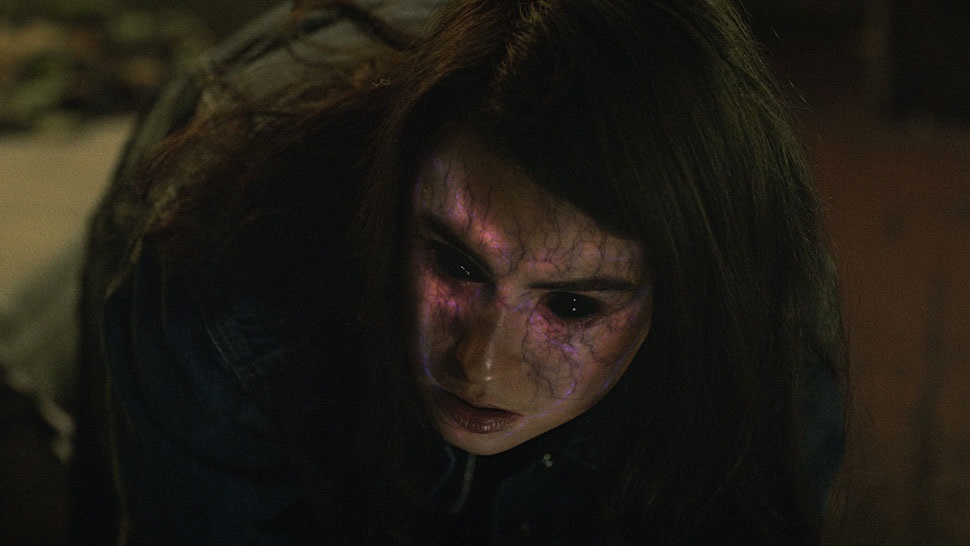
Inside the craft.
Capture a physical reference for a digital production. Mimic VFX scopes 3D scanning around the person or asset, the planned shot and the receiving pipeline. A scan is source material: modelling, texturing, rigging and a finished digital double are separate stages to agree in the brief.
Capture for the final use
A background character and a close-up likeness need different levels of detail. Describe the camera distance, visible surfaces, movement and intended medium before planning capture. Supply visual references and identify any hair, clothing, reflective surfaces or moving parts that need a test.
Agree what must be captured and what will be built or refined afterwards. This service concerns entertainment assets for film, television and games. It does not offer engineering measurements, land surveys or industrial inspection.
Define what leaves the scan stage
Specify whether the receiving team needs processed scan geometry, reference material or an asset taken through additional modelling and texturing. Confirm scale, orientation, file formats and naming with that team. Do not assume raw capture is ready to animate.
For a likeness asset, link capture to a digital-double brief. For a new or rebuilt mesh, use character modelling. These pages describe different handoffs, so the scope can stop at the stage your production needs.

Scanning contributions in production
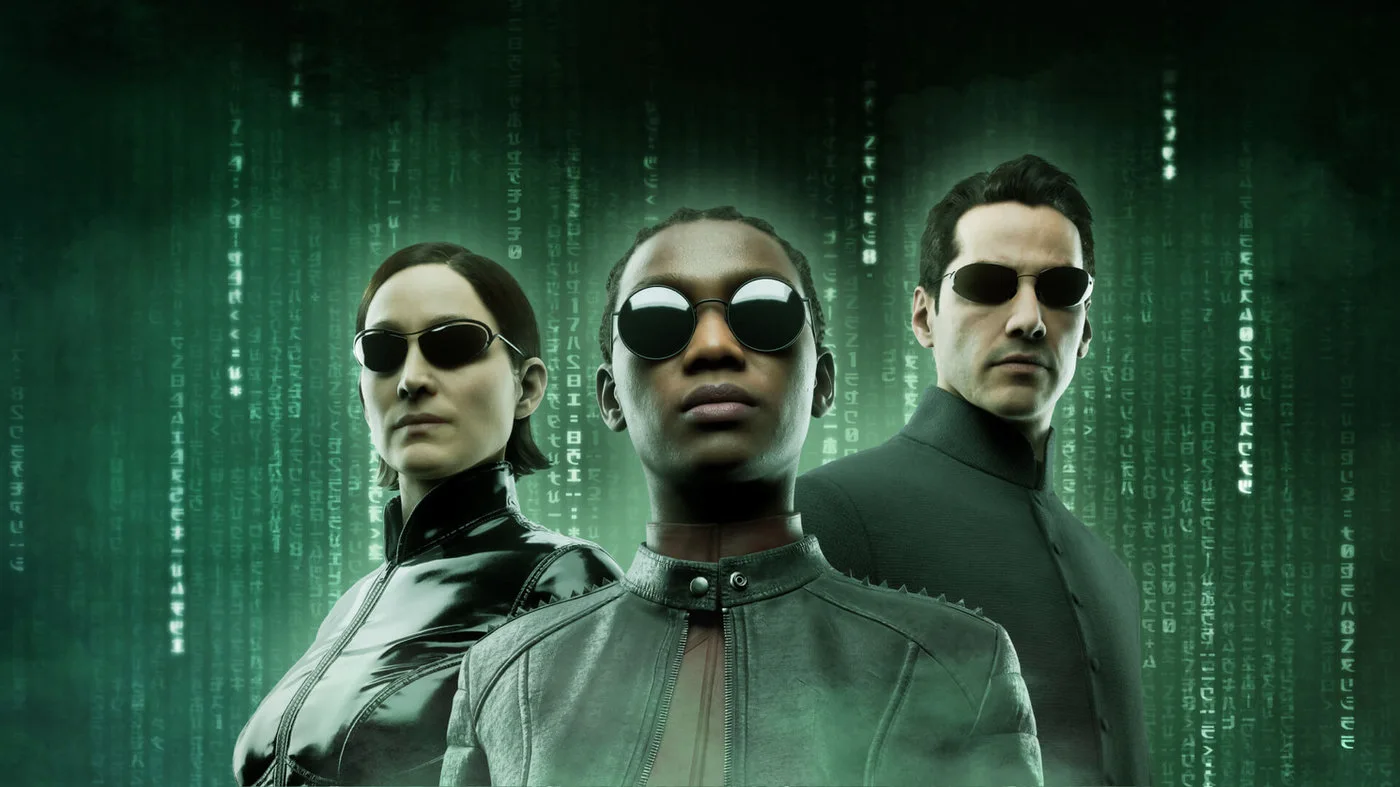
Mimic Productions is credited with 3D scanning for television visual effects on Spides. The register also records motion capture and 3D scanning for The Matrix Awakens.
The Hunger Games project reference records scanning for an animal asset. These credits identify capture contributions within larger productions; they do not claim delivery of every finished effect.
Plan the session and handoff
Send the subject list, intended output, reference images, asset restrictions and delivery dates. For people, identify likeness permissions, performer availability and wardrobe requirements. Capture location, access and any travel arrangements need to be agreed before scheduling.
The studio is in Potsdam, Germany. US and UK teams can include their review time zone and receiving-team contact in the enquiry. Review a representative output before committing to a larger batch, and identify who approves capture completeness and downstream usability.
Related production stages: 3D Face Scanning for Digital Characters, 3D Body Scanning for Film & VFX, Photogrammetry vs LiDAR: Choosing Capture Inputs for VFX.
Your questions, answered.
Is a scan ready to animate?
Usually a scan needs further preparation. Retopology, textures, a rig and animation are separate requirements. Specify the handoff needed by your receiving team.
Can scanning be commissioned without a digital double?
Yes. The brief can stop at an agreed capture or scan-processing stage. A completed likeness asset is a broader commission.
Where will the scanning take place?
Mimic is based in Potsdam. Session location, subject access and any travel must be confirmed for the project; this page does not imply US or UK capture premises.
Useful links and briefing questions
What should I include in my brief?
Share your treatment or shot list, available assets, delivery formats and target dates.
Discuss your project ↗