
01 / TECH
A pipeline built around the deliverable
Capture, character creation, animation and rendering need compatible inputs and clear handovers. Define the target engine or image specification, asset versions, color settings, review milestones and final delivery format at the start of a project.
02 / TECH
VFX / AI hybrid workflows
AI-assisted methods can support selected shot tasks and visual development. Test the approach against the footage, source rights, continuity and required finish, with artists reviewing the result before delivery.
03 / TECH
Traditional VFX workflows
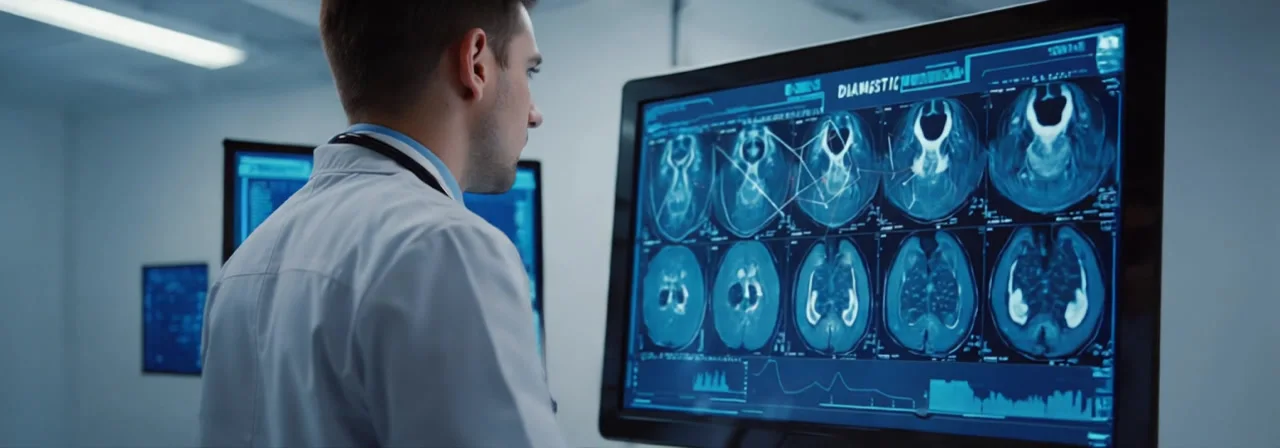
Character modelling, surfacing, rigging and animation connect to lighting, rendering and compositing. The shot brief defines the detail, performance and handover requirements for each stage.
04 / TECH
PRODUCTION & RENDERING INFRASTRUCTURE
Agree the render requirements, colour workflow, file formats and review process before shot production. Asset versions and approval milestones keep the work consistent through final delivery.
05 / TECH
REALITY CAPTURE: PHOTOGRAMMETRY & LIDAR
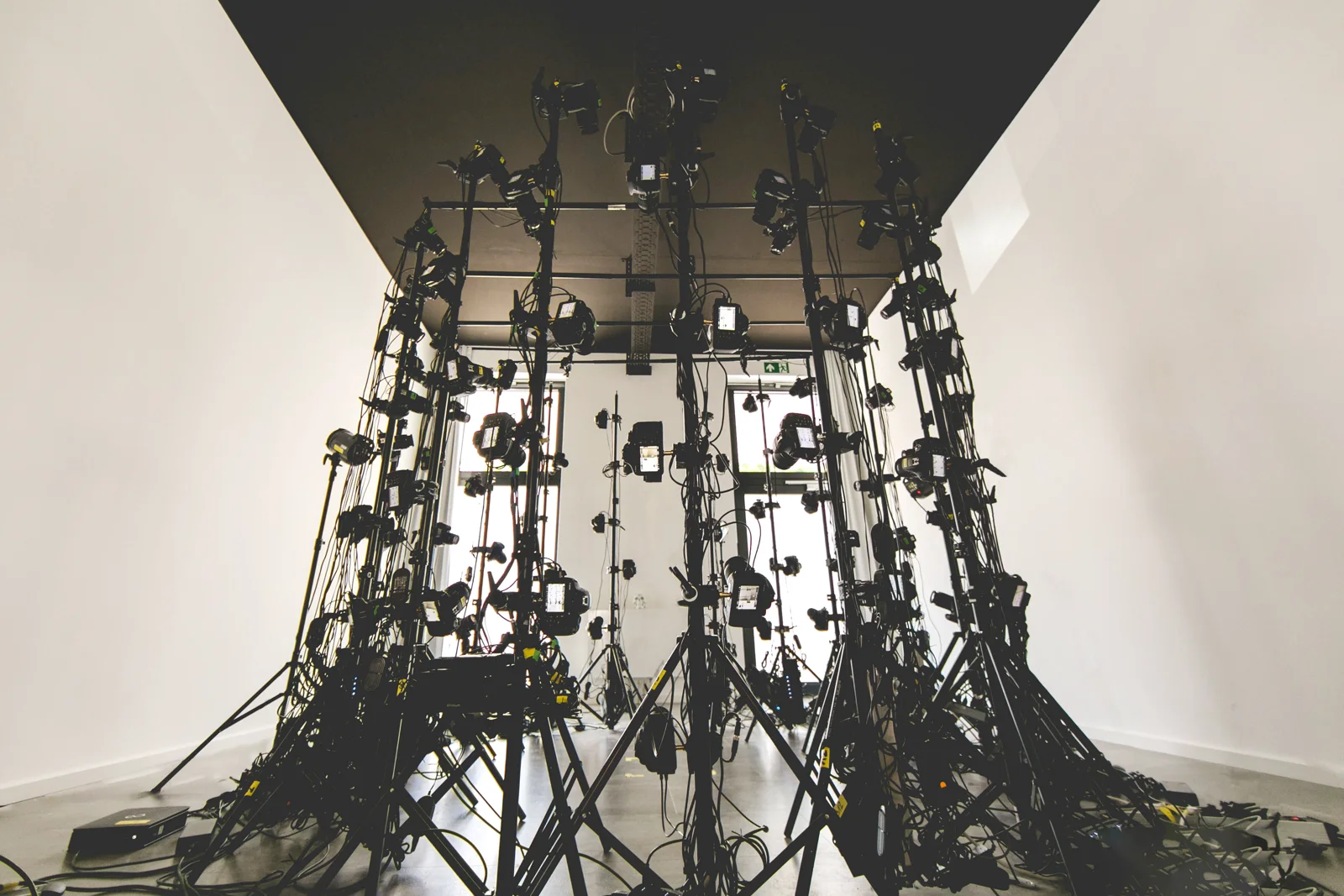
Our reality capture process grounds digital creations in the real world. We use custom-built, high-resolution photogrammetry rigs to capture intricate details of faces, props, and costumes, while our Lidar scanning technology builds dimensionally-perfect 3D models of large-scale environments and sets with sub-millimeter accuracy.
06 / TECH
PERFORMANCE CAPTURE ECOSYSTEM
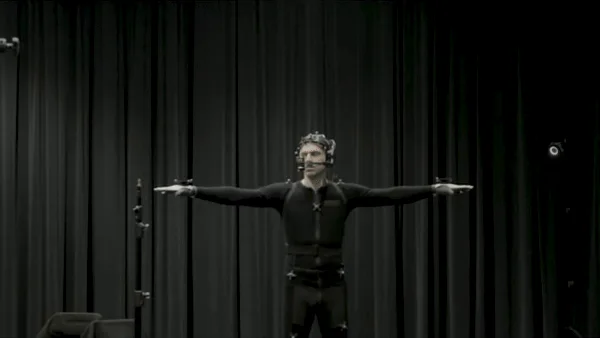
Our hybrid performance capture ecosystem seizes every nuance of an actor's performance. We combine Head-Mounted Cameras for expressive facial detail with both optical (OptiTrack) and inertial (Xsens) systems for flexible, high-fidelity body motion capture, ensuring the emotional core of a performance is translated flawlessly to the digital world.
Questions about tech
What is a VFX pipeline?
A VFX pipeline is the end-to-end workflow a studio uses to turn raw footage and ideas into finished visual effects. At Mimic VFX it spans reality capture, asset creation, performance capture, simulation, rendering and compositing, all managed through ShotGrid for seamless delivery.
What are the main stages of a VFX pipeline?
The core stages are pre-production and asset build (modeling, texturing, rigging), performance and reality capture, animation and simulation, lighting and rendering, then compositing and final delivery. Each stage feeds the next so shots progress from concept to screen-ready frames.
What does a modern VFX pipeline architecture look like?
A modern VFX pipeline architecture integrates proprietary AI tools with industry-standard software like Maya, ZBrush, Nuke, Arnold and V-Ray, plus real-time engines such as Unreal and Unity. Mimic VFX layers AI on top of this stack to speed up timelines without sacrificing quality.
What is the difference between real-time and offline rendering?
Offline rendering computes each frame in advance for maximum photorealism, ideal for film. Real-time rendering generates frames instantly using engines like Unreal Engine, enabling interactive and live work. Mimic VFX builds performance-ready characters optimised for both approaches.
What software and tools does Mimic VFX use?
Mimic VFX sculpts in ZBrush, models in Maya, composites in Foundry's Nuke and renders with Arnold and V-Ray. Performance capture combines OptiTrack, Xsens and head-mounted cameras, with photogrammetry and Lidar for reality capture, all coordinated in ShotGrid.
How does AI improve the VFX pipeline?
AI accelerates repetitive tasks, enhances and upscales footage, and powers generative content, shortening timelines and reducing costs. Mimic VFX's proprietary AI also drives conversational digital humans, turning photoreal characters into interactive, real-time avatars.
What is performance capture and how is it used?
Performance capture records an actor's body and facial movement and maps it onto a digital character. Mimic VFX uses a hybrid system, head-mounted cameras for facial nuance plus optical and inertial body capture, so the emotional core of a performance survives the transfer to digital.
Useful links and briefing questions
What should I include in my brief?
Share your treatment or shot list, available assets, delivery formats and target dates.
Discuss your project ↗