
Digital Doubles for Film & Television
Digital double production for film and television, from likeness references and scanning requirements to modelling, texturing and character handoff. Mimic VFX, Potsdam.
Explore the possibilities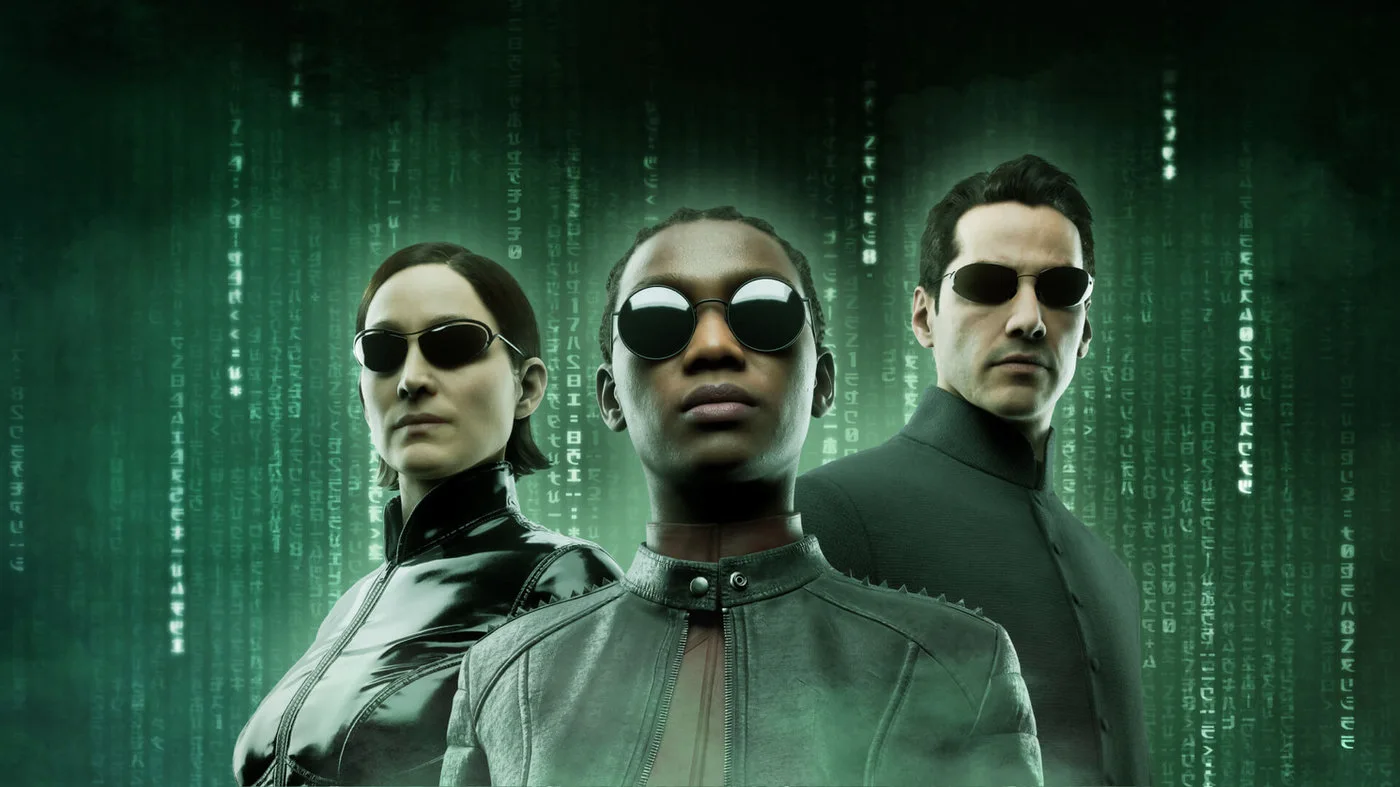
Inside the craft.
Prepare a digital representation of a real person for a defined production use. Mimic VFX scopes digital doubles around the required likeness, camera distance, movement and receiving pipeline, so the asset is built for the shots it must support.
Build for the shot, not an undefined likeness
A distant background character and a close-up face need different levels of detail. Define the camera distance, lighting conditions, intended movement and final output before deciding how much modelling, texture work, hair or clothing preparation is needed.
A digital double represents a particular person. Establish whose likeness is involved, which references are approved and who can sign off the result. Share usage restrictions alongside the creative brief, especially when the asset may be adapted for another production or platform.

Agree the asset and animation handoffs
Scanning, modelling, texturing, rigging and animation are separate production stages. Confirm which stages you need and which assets already exist. Provide approved photography, scan data or other likeness references for review, with the intended renderer or engine and technical constraints.
Agree the deliverable before detailed work begins: a model-and-texture package, a rigged character and an animated shot are different outputs. Review shape and proportions before surface detail; review the character under the intended lighting and movement before final handoff.
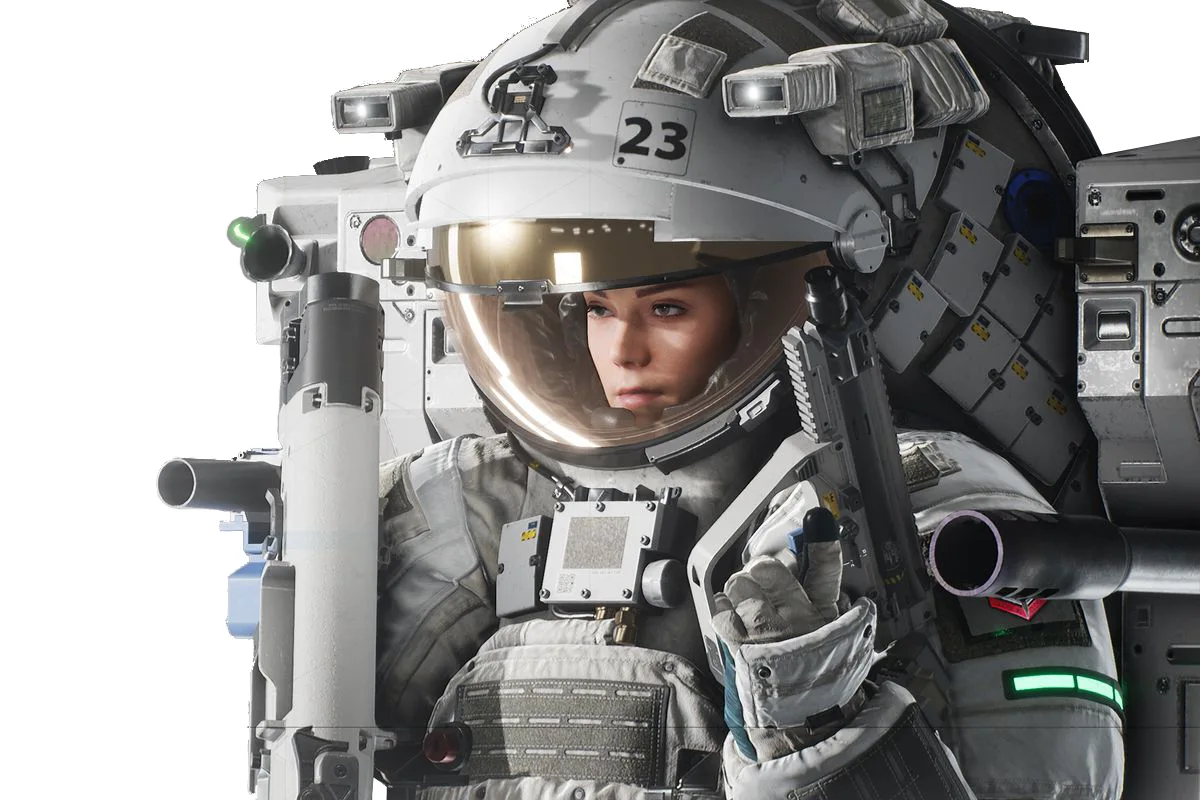
Published scanning and character contributions
Mimic Productions' work on The Matrix Awakens included motion capture and 3D scanning. That is evidence of the capture stages supporting a digital-character pipeline, not a claim that Mimic delivered the entire experience.
Send the references that define the asset
Include the person or character references, shot list, expected camera distance, wardrobe, movement requirements, technical destination and delivery dates. Identify which inputs you own and which permissions or approvals are still pending. If another vendor will animate or render the character, include their asset specifications.
The Potsdam studio works with briefs for film and games. US and UK teams can include time-zone and review requirements without assuming a local capture location. Explore motion capture services for performance, the technology overview for related stages, and the digital humans guide for production planning.
Your questions, answered.
Is a digital double an AI avatar?
Not necessarily. A digital double reproduces an identified person's appearance for an agreed use. An interactive AI avatar also needs conversational and application systems. Those requirements should be scoped separately.
Do you need a new scan for every project?
Existing scans or approved assets may be usable, but their quality, rights and technical suitability need review against the intended shots. Share the material before assuming it can be reused.
Can one asset work in a film and a game engine?
Possibly, with preparation for each destination. Geometry, textures, rig and performance requirements can differ. Confirm the required versions and test the handoff with the receiving teams.
Useful links and briefing questions
What should I include in my brief?
Share your treatment or shot list, available assets, delivery formats and target dates.
Discuss your project ↗