Choose a capture method around the asset your production needs. A performer’s facial likeness, a body reference and the measured layout of a set are different briefs. This guide compares the inputs and explains how to define the handoff to the next team.
Table of Contents
- The difference is how the measurement starts
- A character brief needs more than a point count
- A set brief needs scale and coverage
- Agree the processed output
- Compare the production inputs
- Frequently asked questions
- Sources and further reading
The difference is how the measurement starts
Photogrammetry reconstructs shape from images taken from different viewpoints. LiDAR measures distance using laser light. Both can contribute geometric information, but the acquisition method, reference requirements and resulting data are different.
For a production, the useful question is which input the next team needs. A performer’s textured likeness and the measured layout of a location are different capture problems. Do not choose a method from the word “3D” alone.
A character brief needs more than a point count
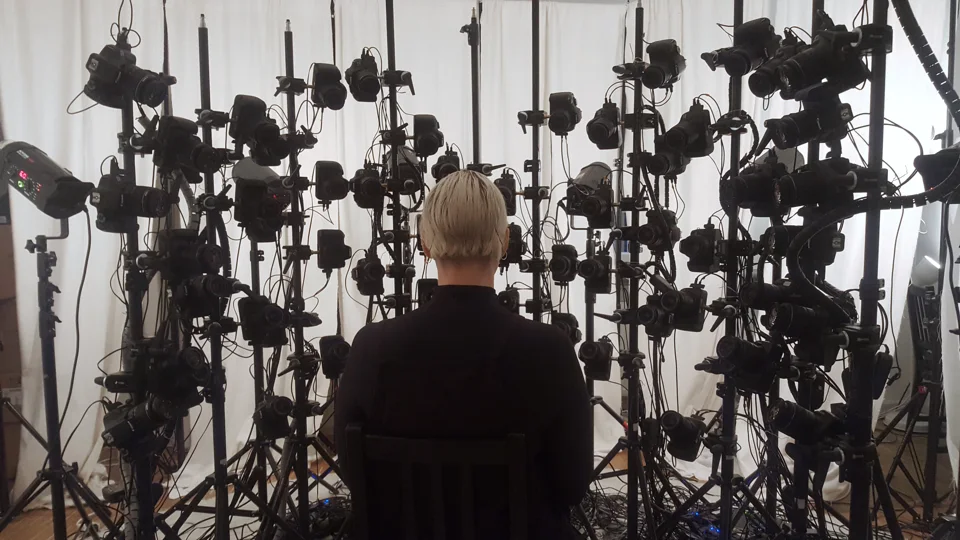
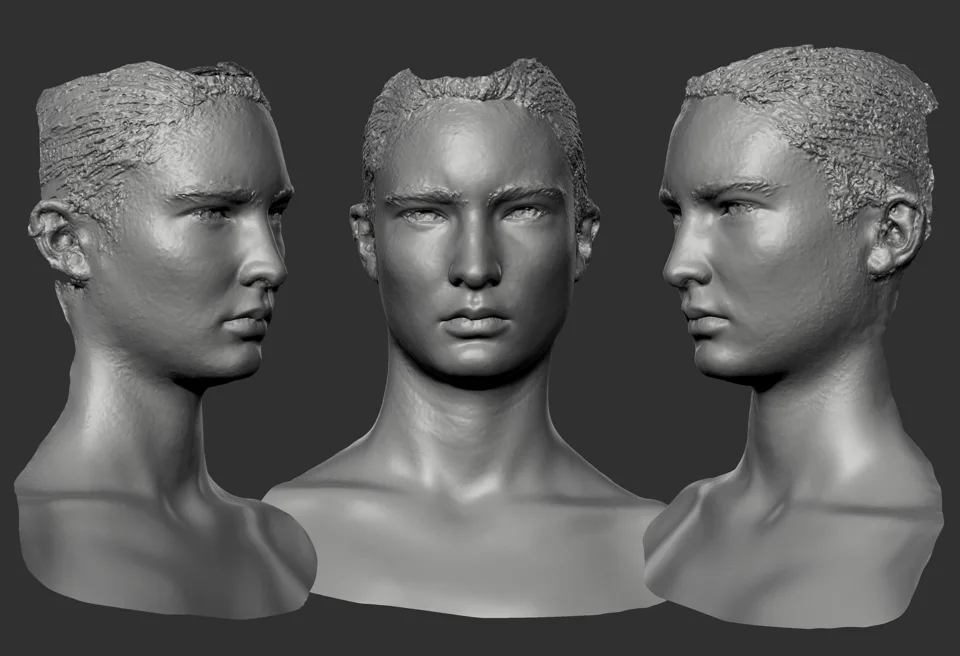
For a face or body, decide which pose, look and surface information the asset must reproduce. Neutral capture and an expression set serve different stages. Costume and hair can change what is visible, so the modelling and rigging teams should help define the capture list.
Mimic’s published character service describes photogrammetry capture for faces, bodies and expressions. That is the service context for face scanning and body scanning on this site. This comparison does not advertise a standalone surveying or LiDAR service.
A set brief needs scale and coverage
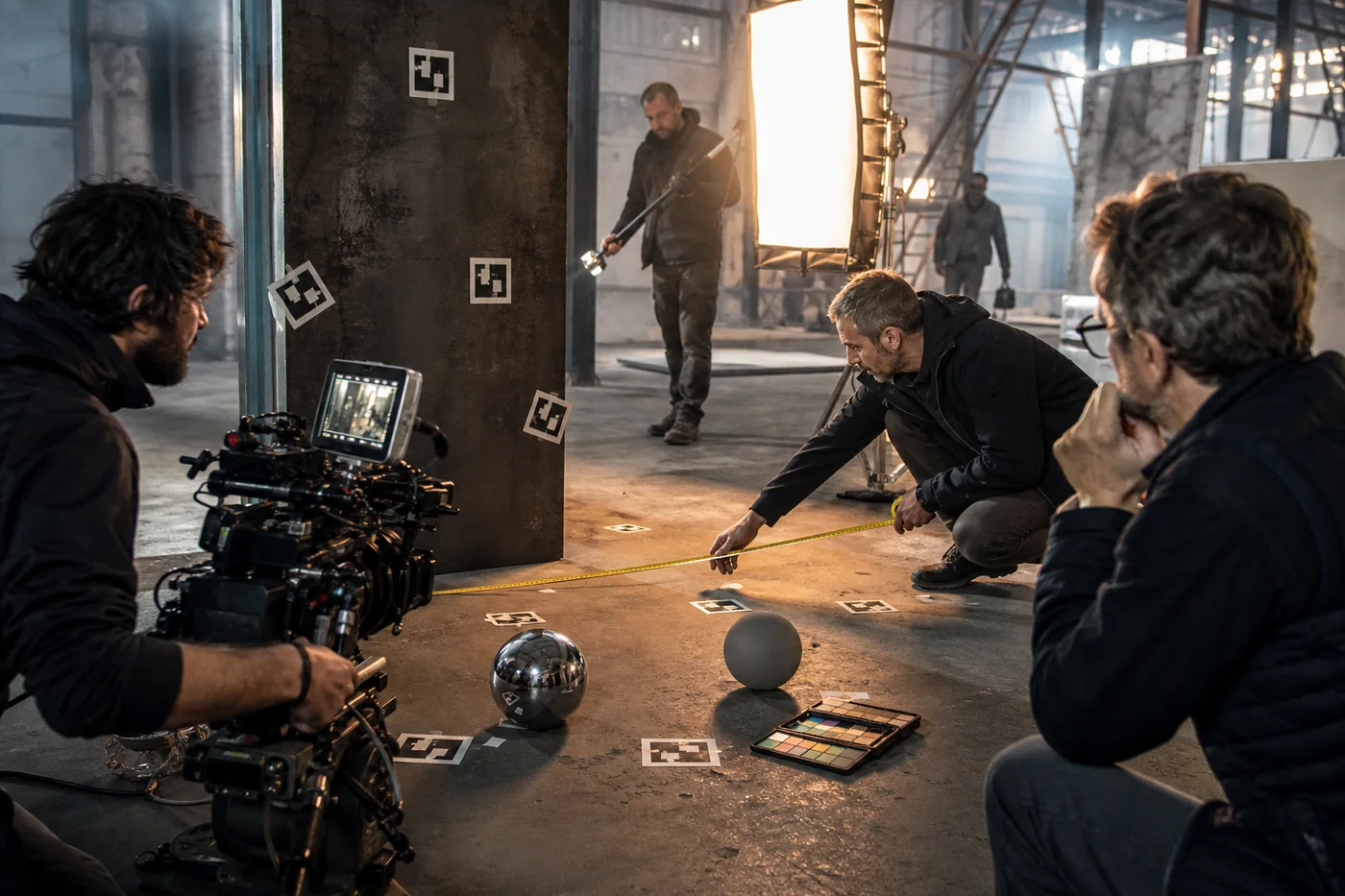
For an environment, explain whether the data will support layout, camera work, reconstruction or a visible digital asset. Confirm scale, coordinate conventions and the surfaces that must be covered. Ask which imagery accompanies the geometry and how the receiving artists will identify missing areas.
NOAA describes LiDAR as a distance-measurement technology and explains that imagery can be combined with its data. That combination can be useful, but it should not be mistaken for a guarantee that a captured location is already a finished, textured VFX environment.
Agree the processed output
Capture data, a reconstructed mesh and an animation-ready asset are different deliverables. Name the file formats, processing stage, texture requirements and receiving application. Ask for a small representative test before committing to a large capture list.
Where the production is considering both approaches, write down what each is meant to solve. A geometry reference may be sufficient for one task; a likeness asset may need further modelling, textures and rigging. That decision is more useful than a generic claim that one capture technology is always better.
Compare the production inputs
| Question | Photogrammetry | LiDAR |
|---|---|---|
| What starts the measurement? | Images from different viewpoints | Laser distance measurements |
| What should the brief specify? | Coverage, image reference and reconstruction requirements | Coverage, scale, coordinates and measurement requirements |
| Is the result a finished VFX asset? | Not automatically; processing and asset work may remain | Not automatically; processing and asset work may remain |
| What is offered on this site? | Character-focused capture briefs | This guide does not advertise a standalone survey service |
Frequently asked questions
Is LiDAR always more accurate than photogrammetry?
Accuracy depends on the equipment, capture conditions, reference and processing. Specify the production’s measurement needs and test the proposed workflow.
Does photogrammetry produce an animation-ready character?
Not automatically. Geometry processing, topology, textures and rigging may still be needed after capture.
Does Mimic VFX offer a standalone LiDAR survey?
This guide does not offer that service. Ask the studio about the capture and character-production tasks it can scope for your brief.