How does visual effects production turn photographed plates, digital assets, simulations, and creative notes into finished shots that support the story?
Visual effects production becomes easier to plan when the team starts with the decision, audience, evidence, and delivery conditions. The tools matter, but they do not replace a clear brief or a review process that catches problems early.
This guide is written for directors, producers, agencies, post supervisors, and teams commissioning VFX work. It explains the workflow in practical terms and links each stage to approved shots in which the creative idea, photographed material, digital work, continuity, and technical delivery operate as one image sequence. Explore Mimic VFX for services, project examples, and related production guidance.
Table of Contents
What Is Visual Effects Production?
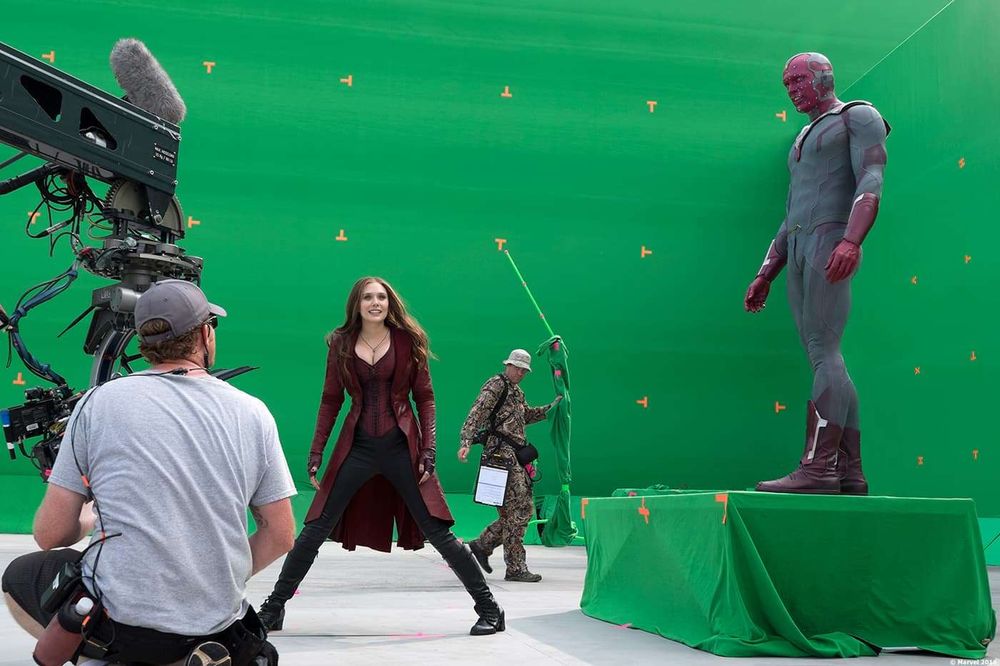
Visual effects production creates or changes imagery that cannot be captured safely, practically, affordably, or with enough control during photography. It includes planning, acquisition, assets, shots, review, and delivery.
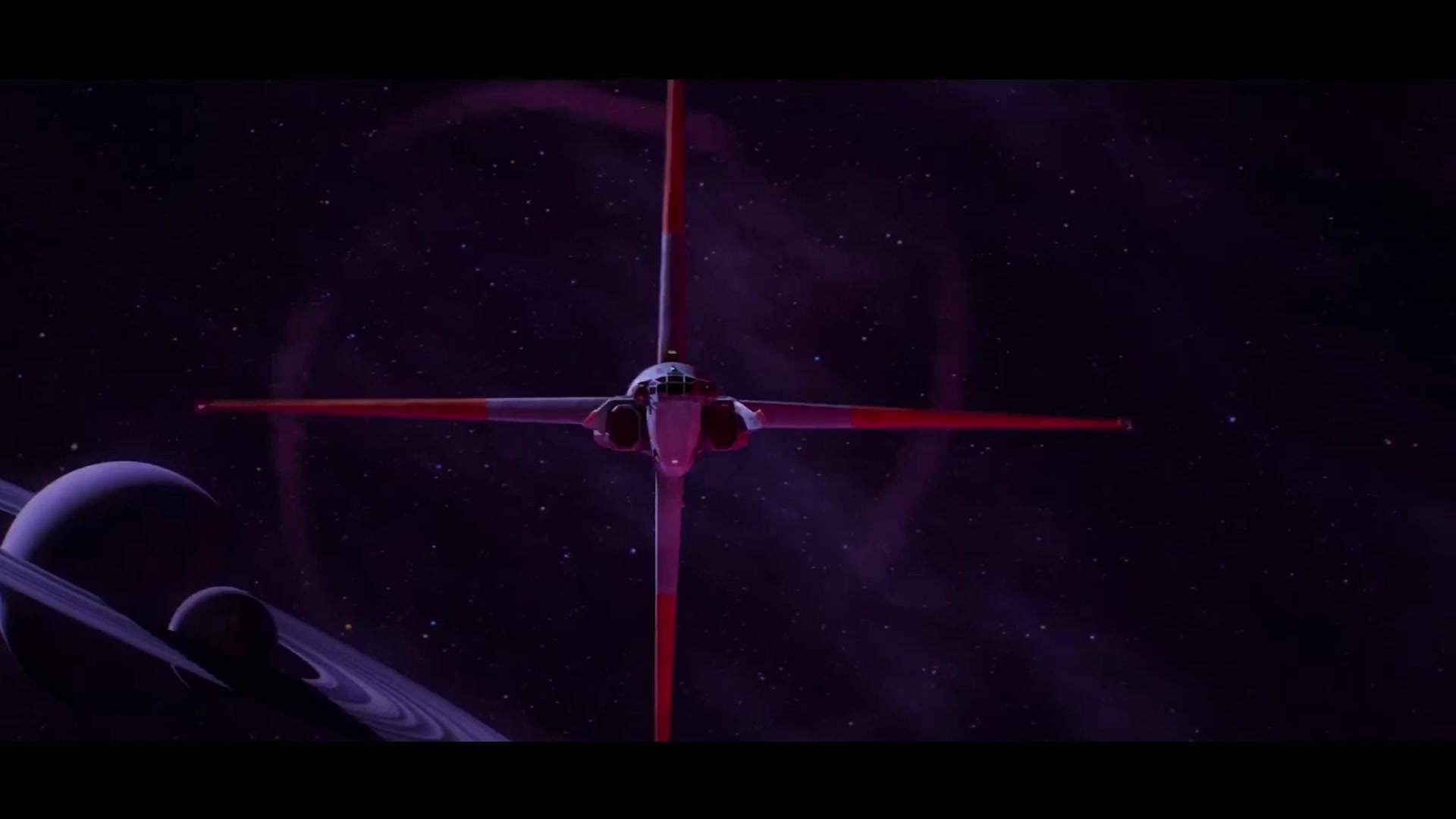
The process may involve invisible cleanup, set extensions, screens, crowds, creatures, simulations, digital doubles, environments, or fully synthetic shots. The technique follows the story requirement.
A practical review separates the intended result from the method used to reach it. For directors, producers, agencies, post supervisors, and teams commissioning VFX work, that means checking the source material, assumptions, responsibilities, intermediate approvals, and delivery conditions before scaling the work. Early evidence is cheaper to change than a nearly finished output.
Record the decision behind each approval and test the work in the context where it will be used. This helps the team distinguish a creative preference from a technical failure, missing input, or change in scope. Read a related Mimic VFX guide for another part of the workflow.
Good review notes describe what is wrong, where it appears, why it matters, and what a successful revision should achieve. They avoid broad reactions that force the team to guess. When several stakeholders are involved, one person should consolidate feedback, resolve contradictions, and confirm which comments are required before the next stage begins.
Before moving on, confirm the owner, inputs, expected output, review method, known limits, and one test that would reveal a weak result. That short check keeps effort focused on approved shots in which the creative idea, photographed material, digital work, continuity, and technical delivery operate as one image sequence.
How Is VFX Planned Before Filming?
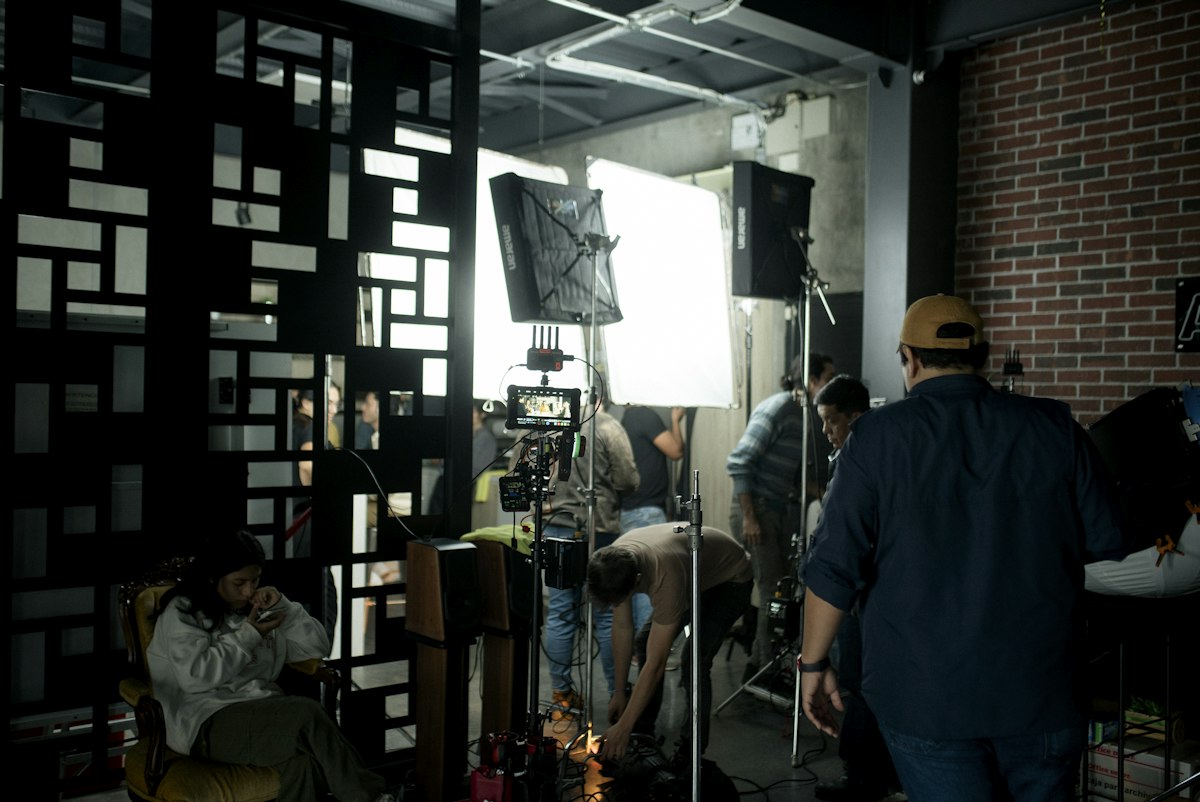
Teams break down the script or boards, identify effects, define methods, estimate shot counts, plan plates and references, set color and data workflows, and agree on review and delivery rules.
Early planning reveals dependencies. A digital set extension may need a locked camera move, survey, lens data, HDRI, texture photography, clean plates, and room for the final composition.
A practical review separates the intended result from the method used to reach it. For directors, producers, agencies, post supervisors, and teams commissioning VFX work, that means checking the source material, assumptions, responsibilities, intermediate approvals, and delivery conditions before scaling the work. Early evidence is cheaper to change than a nearly finished output.
Record the decision behind each approval and test the work in the context where it will be used. This helps the team distinguish a creative preference from a technical failure, missing input, or change in scope. Read a related Mimic VFX guide for another part of the workflow.
Good review notes describe what is wrong, where it appears, why it matters, and what a successful revision should achieve. They avoid broad reactions that force the team to guess. When several stakeholders are involved, one person should consolidate feedback, resolve contradictions, and confirm which comments are required before the next stage begins.
Before moving on, confirm the owner, inputs, expected output, review method, known limits, and one test that would reveal a weak result. That short check keeps effort focused on approved shots in which the creative idea, photographed material, digital work, continuity, and technical delivery operate as one image sequence.
What Does VFX Supervision Cover on Set?

The supervisor works with the director, cinematographer, production design, stunts, special effects, camera, lighting, and data teams to capture usable plates and reference.
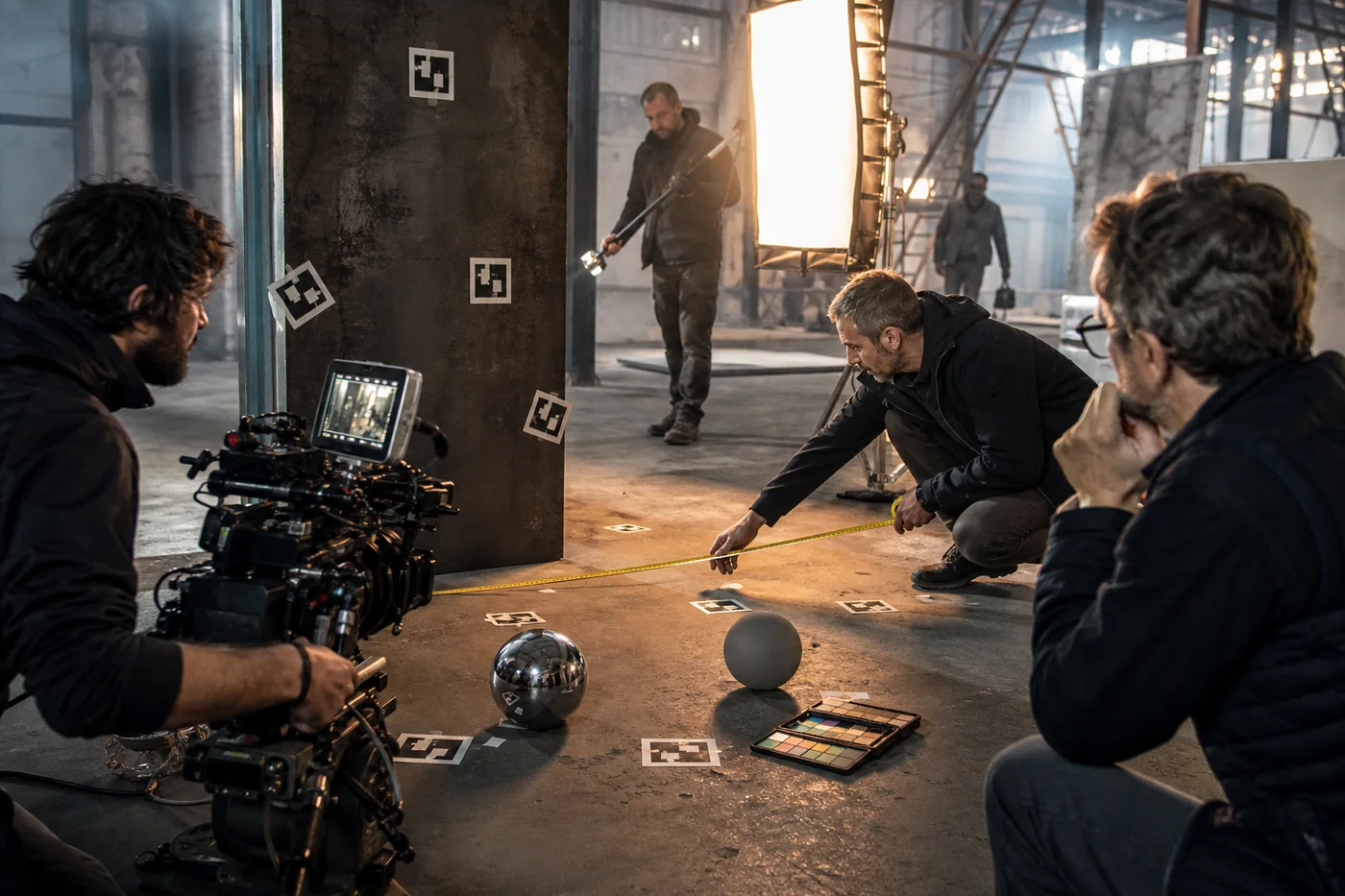
Useful records include camera and lens details, focus and exposure, measurements, tracking references, lighting references, textures, witness cameras, clean plates, and notes about changes from the plan.
A practical review separates the intended result from the method used to reach it. For directors, producers, agencies, post supervisors, and teams commissioning VFX work, that means checking the source material, assumptions, responsibilities, intermediate approvals, and delivery conditions before scaling the work. Early evidence is cheaper to change than a nearly finished output.
Record the decision behind each approval and test the work in the context where it will be used. This helps the team distinguish a creative preference from a technical failure, missing input, or change in scope. Read a related Mimic VFX guide for another part of the workflow.
Good review notes describe what is wrong, where it appears, why it matters, and what a successful revision should achieve. They avoid broad reactions that force the team to guess. When several stakeholders are involved, one person should consolidate feedback, resolve contradictions, and confirm which comments are required before the next stage begins.
Before moving on, confirm the owner, inputs, expected output, review method, known limits, and one test that would reveal a weak result. That short check keeps effort focused on approved shots in which the creative idea, photographed material, digital work, continuity, and technical delivery operate as one image sequence.
How Are Digital Assets Built?
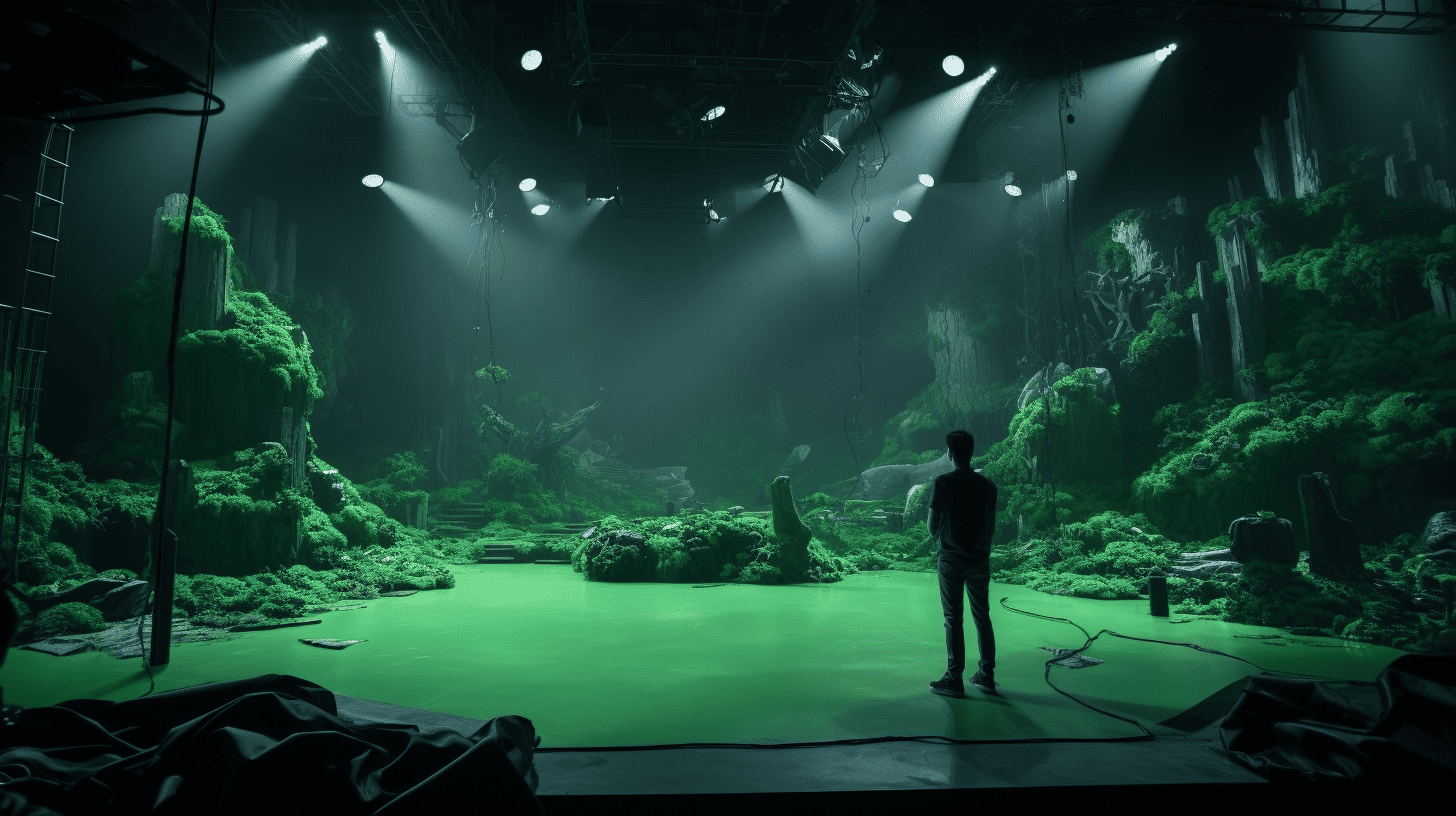
Asset work can include modeling, scanning, texturing, look development, rigging, grooming, animation tests, environment builds, and technical setup for simulations or rendering.
Assets are approved in stages because late structural changes affect many departments. Turntables and controlled tests help separate a model, material, rig, or lighting issue before it appears in dozens of shots.
A practical review separates the intended result from the method used to reach it. For directors, producers, agencies, post supervisors, and teams commissioning VFX work, that means checking the source material, assumptions, responsibilities, intermediate approvals, and delivery conditions before scaling the work. Early evidence is cheaper to change than a nearly finished output.
Record the decision behind each approval and test the work in the context where it will be used. This helps the team distinguish a creative preference from a technical failure, missing input, or change in scope. Read a related Mimic VFX guide for another part of the workflow.
Good review notes describe what is wrong, where it appears, why it matters, and what a successful revision should achieve. They avoid broad reactions that force the team to guess. When several stakeholders are involved, one person should consolidate feedback, resolve contradictions, and confirm which comments are required before the next stage begins.
Before moving on, confirm the owner, inputs, expected output, review method, known limits, and one test that would reveal a weak result. That short check keeps effort focused on approved shots in which the creative idea, photographed material, digital work, continuity, and technical delivery operate as one image sequence.
How Do VFX Shots Move Through the Pipeline?
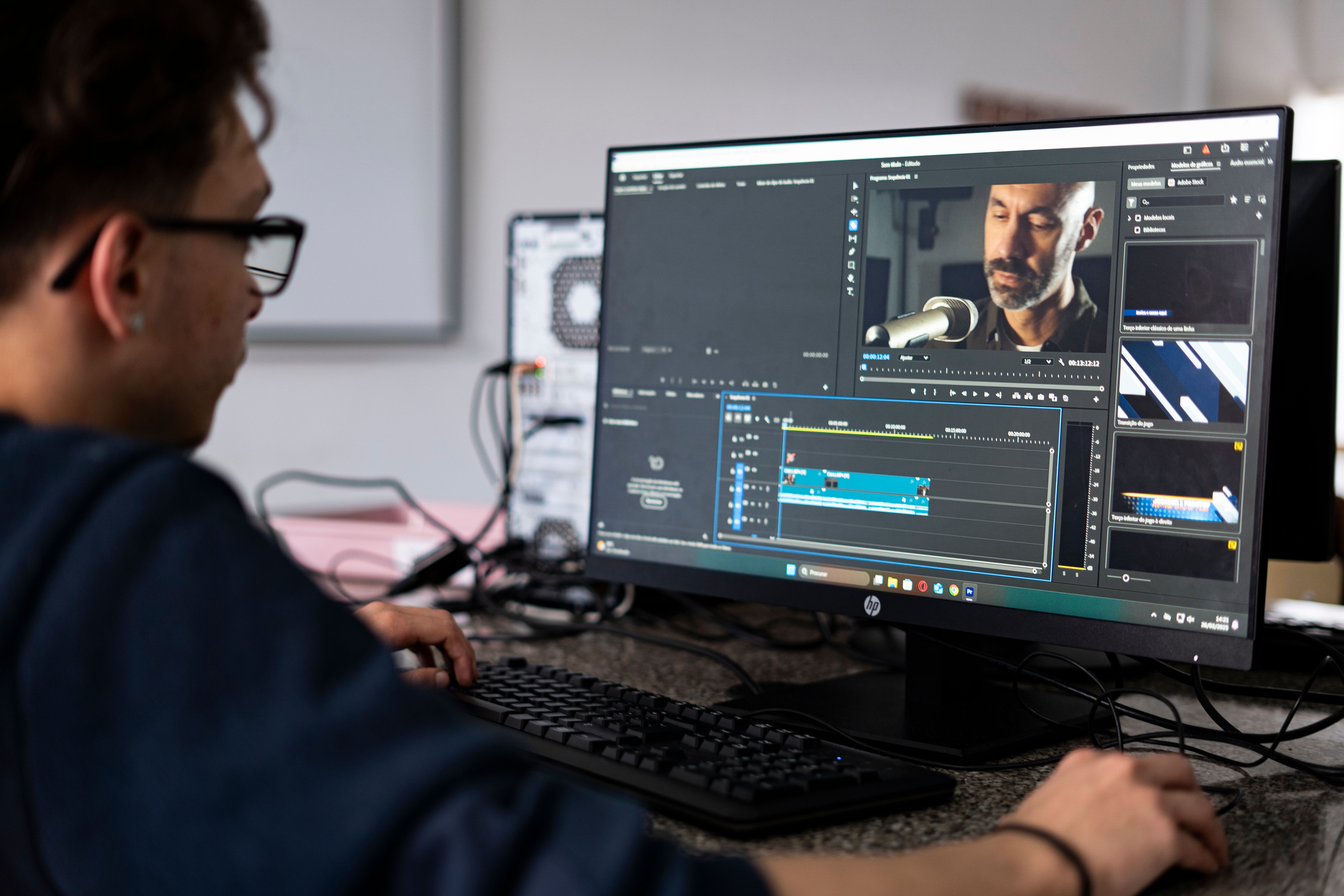
Shot work may combine matchmove, layout, animation, effects, lighting, rendering, matte painting, rotoscoping, paint, cleanup, and compositing. Departments publish versions so downstream artists can work without overwriting source decisions.
Review should happen at the level where a problem can still be fixed efficiently. Animation timing, simulation behavior, lighting, edges, color, grain, and final integration should not wait for one late approval.
A practical review separates the intended result from the method used to reach it. For directors, producers, agencies, post supervisors, and teams commissioning VFX work, that means checking the source material, assumptions, responsibilities, intermediate approvals, and delivery conditions before scaling the work. Early evidence is cheaper to change than a nearly finished output.
Record the decision behind each approval and test the work in the context where it will be used. This helps the team distinguish a creative preference from a technical failure, missing input, or change in scope. Read a related Mimic VFX guide for another part of the workflow.
Good review notes describe what is wrong, where it appears, why it matters, and what a successful revision should achieve. They avoid broad reactions that force the team to guess. When several stakeholders are involved, one person should consolidate feedback, resolve contradictions, and confirm which comments are required before the next stage begins.
Before moving on, confirm the owner, inputs, expected output, review method, known limits, and one test that would reveal a weak result. That short check keeps effort focused on approved shots in which the creative idea, photographed material, digital work, continuity, and technical delivery operate as one image sequence.
How Are VFX Shots Reviewed and Delivered?

Teams review shots at full speed, frame by frame, and in edit context. Notes should identify the exact frame range, visual issue, creative intention, and priority.
Final delivery checks resolution, frame range, handles, color space, channels, naming, compression, grain, legal requirements, and consistency with adjacent shots. Approved finals and source material should be archived with clear version history.
A practical review separates the intended result from the method used to reach it. For directors, producers, agencies, post supervisors, and teams commissioning VFX work, that means checking the source material, assumptions, responsibilities, intermediate approvals, and delivery conditions before scaling the work. Early evidence is cheaper to change than a nearly finished output.
Record the decision behind each approval and test the work in the context where it will be used. This helps the team distinguish a creative preference from a technical failure, missing input, or change in scope. Read a related Mimic VFX guide for another part of the workflow.
Good review notes describe what is wrong, where it appears, why it matters, and what a successful revision should achieve. They avoid broad reactions that force the team to guess. When several stakeholders are involved, one person should consolidate feedback, resolve contradictions, and confirm which comments are required before the next stage begins.
Before moving on, confirm the owner, inputs, expected output, review method, known limits, and one test that would reveal a weak result. That short check keeps effort focused on approved shots in which the creative idea, photographed material, digital work, continuity, and technical delivery operate as one image sequence.
Frequently Asked Questions
When should VFX planning begin?
Begin during script, treatment, or storyboard development whenever effects change framing, locations, stunts, lighting, production design, schedule, or budget.
What does a VFX producer do?
The producer manages scope, bids, schedules, artists, vendors, reviews, changes, client communication, and delivery across the visual-effects work.
What does a VFX supervisor do?
The supervisor defines technical and creative methods, supports photography, reviews work, solves shot problems, and protects continuity with the director’s intent.
What is a VFX plate?
A plate is photographed source material used as the basis or element of a visual-effects shot. It may include actors, sets, props, backgrounds, or clean environments.
Why is camera tracking needed?
Tracking reconstructs camera or object movement so digital elements share the plate’s perspective, motion, and spatial relationships.
What is the difference between CGI and VFX?
CGI is computer-generated imagery. VFX is the broader process of creating and integrating altered or synthetic imagery into finished shots.
How long does visual effects production take?
Timing depends on shot count, difficulty, asset needs, source quality, simulation, resolution, review speed, revisions, and delivery requirements.
Can AI replace a VFX pipeline?
AI can accelerate selected tasks and create useful starting points, but controlled production still needs supervision, consistency, rights review, shot integration, and quality control.
What files should a client provide?
Provide locked edits, original plates, handles, references, camera data, color information, graphics, sound context, naming rules, delivery specifications, and clear notes.
How are VFX costs estimated?
Studios assess shot count, duration, complexity, assets, source quality, techniques, resolution, schedule, review rounds, and technical delivery.
Conclusion
Visual effects production works best when creative ambition and practical planning support each other. Define the result, gather the right inputs, review important decisions early, and keep the final use in view throughout production.
If you are planning a related project, contact Mimic VFX to discuss the brief, schedule, workflow, review stages, and required deliverables.