Set Extension VFX: A Practical Guide for Film Production
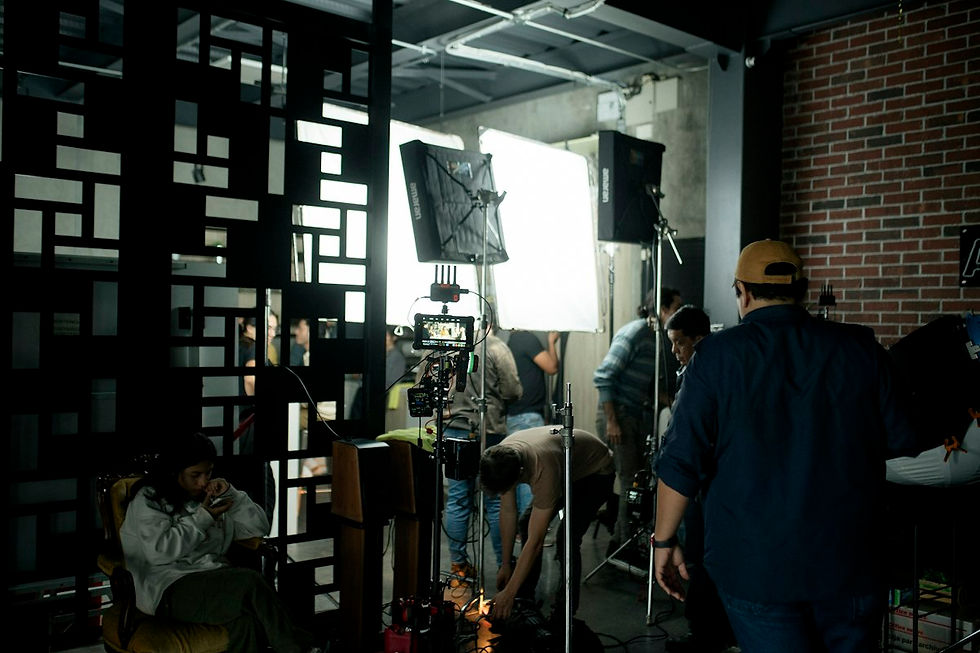
How can a production turn one street, room, or partial build into a world that feels far larger than the physical set?
Set extension VFX expands photographed locations beyond what was built or captured. Artists may add architecture, landscapes, skies, crowds, destruction, or distant detail using matte paintings, projected imagery, and full 3D environments. The finished shot works when perspective, light, atmosphere, lens behavior, and movement all agree with the original plate.
This guide explains when to use a set extension, what to plan before filming, how the shot moves through tracking and environment work, and how producers can review it efficiently. It is intended for directors, producers, agencies, and creative teams preparing film, advertising, music-video, or immersive projects.
Table of Contents
What set extension VFX does—and when to use it
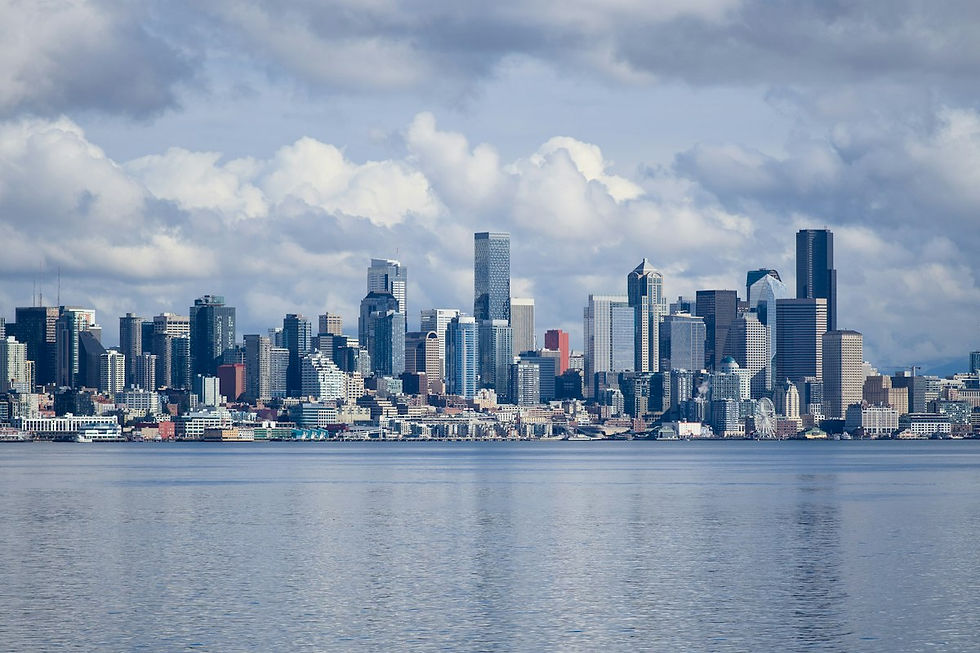
A digital set extension continues a real location or partial build beyond its physical limits. A production may shoot actors on a small rooftop and extend the skyline, add upper floors to a façade, replace a distant horizon, create a period city, or transform a practical foreground into a large fictional world. The foreground gives actors and cameras something real to work with; visual effects complete the scale.
Set extensions are useful when building the full environment would be unsafe, impossible, unavailable, or inefficient. They also support creative changes that are difficult to capture in camera, such as alternate weather, damaged architecture, fantasy landscapes, or a city in another era. The technique is often designed to disappear. Viewers should notice the place and story, not the boundary between the plate and the digital work.
The method depends on camera movement and shot demands. A locked or gently moving shot may work with a 2D matte painting and a simple track. A wider move with visible parallax may need imagery projected onto layered cards or simplified geometry. A camera traveling through space, close interaction, or changing light can require a full 3D environment. Mimic VFX's film visual effects work shows how environments sit within broader cinematic production.
A set extension is different from replacing everything. Keeping a useful photographed foreground preserves real texture, contact, performance, and lighting cues. The best boundary is chosen shot by shot: build what actors touch and what the camera examines closely, then extend the parts where digital production offers greater control.
Plan the extension before the shoot
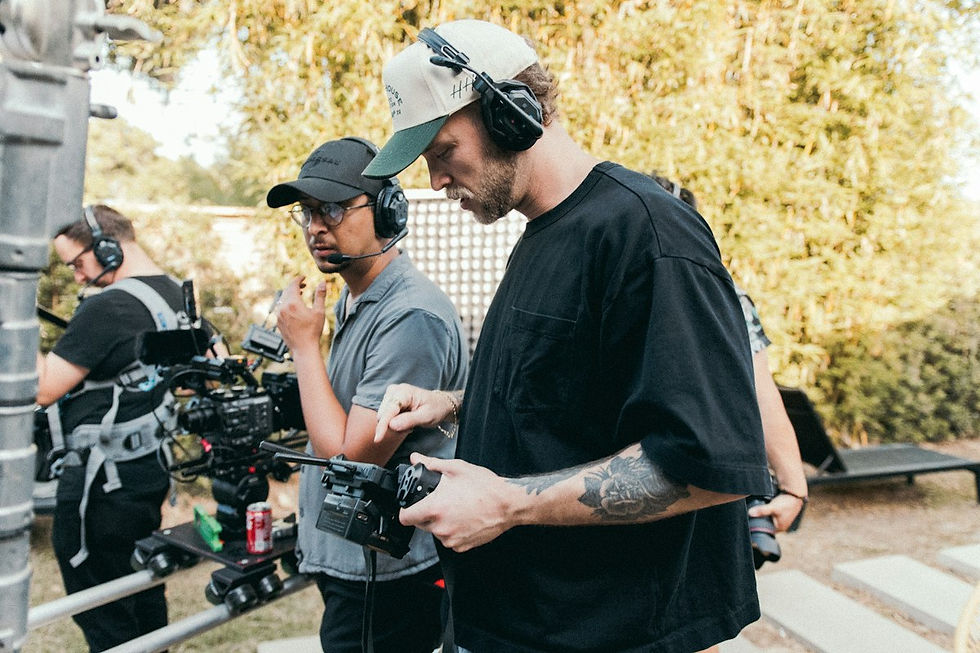
Start with the script, boards, and expected edit. Identify which shots need extension, what must remain practical, where the transition could be hidden, and how close the camera will get to digital elements. A rough concept frame or previs image aligns the director, production designer, cinematographer, and VFX team before expensive choices are locked. It also makes the required physical build easier to judge.
Design the camera move with the final technique in mind. A 2D solution offers efficiency when perspective barely changes. A larger dolly, crane, or handheld move may reveal depth relationships and demand tracked geometry. Lens choice, focus, motion blur, exposure, and rolling shutter affect how the environment must be rebuilt and integrated. Early film VFX supervision helps connect these creative and technical choices.
Decide what the art department should construct. Practical floors, doorways, windows, edges, and interactive surfaces give performers reliable contact and provide compositors with believable detail. Avoid ending a practical wall at an arbitrary place that crosses hair, hands, transparent objects, or complex action when another boundary would be cleaner. The physical and digital teams should share measurements, color references, and the intended final composition.
Include set extensions in the schedule and bid as defined shots, not a general note saying backgrounds will be fixed later. Count the shots, group repeated angles, identify hero views, and flag changes in weather, time of day, damage, crowds, vehicles, or continuity. Mimic's guide to VFX cost explains why asset creation, shot complexity, and revision risk need separate assumptions.
Capture plates, lens data, and reference on set

A strong plate is the foundation. Record the camera body, lens, focal length, focus distance, aperture, resolution, frame rate, shutter, filters, camera height, tilt, and approximate position for every relevant take. Capture the full sensor or overscan when the workflow supports it. Accurate metadata gives matchmove artists a credible starting point and reduces time spent reverse-engineering the lens.
Survey the location and practical set. Measurements, diagrams, reference markers, and photographs from several angles help artists reconstruct scale and perspective. Capture clean plates where possible, plus texture photography of walls, ground, roofs, props, vegetation, and repeating architectural details. A gray ball, chrome ball, color chart, HDRI, and lighting notes give the lighting and compositing teams evidence about the photographed scene.
Protect edges that will matter in post. Record sufficient coverage behind actors or moving objects, and consider how smoke, glass, reflections, fine hair, flags, rain, and practical atmosphere will cross the extension boundary. A green screen can help in controlled circumstances, but it is not automatically required. The decision depends on contrast, spill, transparency, camera movement, and the amount of background that must be rebuilt.
Label and deliver data with the plates, organized by scene, shot, and take. Late or ambiguous data slows multiple departments at once. The VFX post-production workflow shows how clean turnover, version control, and shared specifications carry production evidence into final delivery.
Build the matte painting, projection, or 3D environment
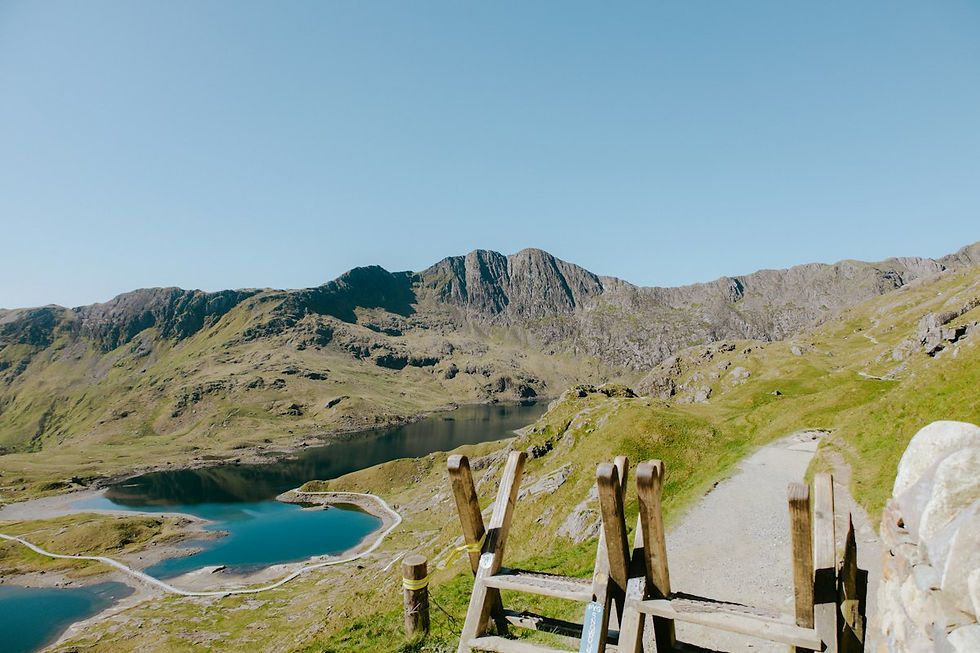
Environment work begins by matching the approved composition. Artists establish the horizon, vanishing points, scale, layout, and major value structure before polishing detail. The design must support the story and the photographed foreground. A dramatic castle, skyline, or mountain range still needs believable placement, atmospheric depth, and visual hierarchy so it feels connected rather than pasted behind the action.
A traditional digital matte painting combines photography, painting, and rendered elements into a controlled image. For a still camera, it may be composited directly. For modest camera movement, artists separate the image into depth layers or project it onto cards and simple geometry—a technique often called 2.5D. The tracked camera then sees parallax between foreground, middle distance, and background.
Full 3D is appropriate when the camera moves substantially, lighting changes, elements pass close to camera, or the environment must be reused across many views. Artists model enough geometry to support the shots, then create textures, materials, vegetation, atmosphere, and lighting. Detail is concentrated where the camera can see it. Building an entire world at equal resolution wastes time and can make revisions harder.
Hybrid approaches are common. A 3D blockout establishes camera, depth, shadows, and reflections; matte-painted projections add rich distant detail; procedural or simulated elements add fog, water, smoke, or movement. The studio's VFX technology and pipeline describes the wider technical system behind photoreal assets and integration.
Track and composite the extension into the plate
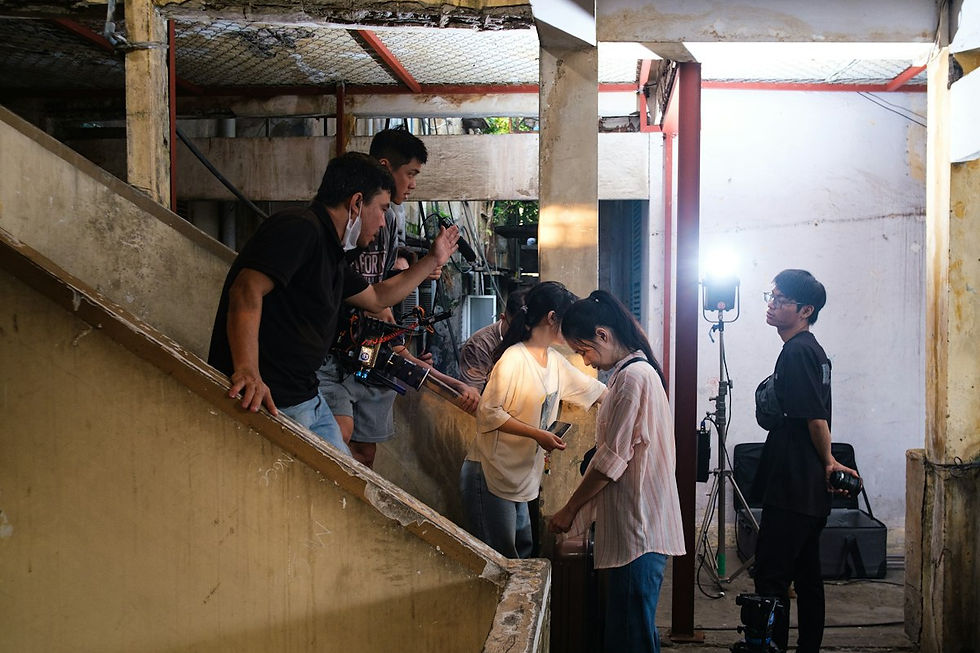
Matchmove solves the photographed camera in digital space. Artists undistort the plate, analyze stable features, solve camera motion and lens behavior, establish scale, and test the track with simple geometry. A good track does more than keep the horizon still; it makes perspective, parallax, and contact feel correct throughout the shot. Drift that seems small in isolation becomes obvious when a building or mountain slides against the plate.
Compositors combine the plate, extension, foreground mattes, atmospheric layers, and any CG renders. They restore lens distortion at the correct stage and match exposure, color, black levels, sharpness, depth of field, motion blur, grain, chromatic behavior, and compression. Rotoscoping or keying may separate actors, props, and practical elements that cross the new environment. Read the detailed VFX compositing guide for the disciplines behind final integration.
Lighting and atmosphere connect depth. Distant objects lose contrast and saturation through air; haze, fog, rain, dust, and clouds have scale and direction. Shadows and reflections must agree with the plate, while foreground elements may need subtle interactive light from the new world. Adding detail is rarely the only answer. Sometimes realism improves when distant forms are softened, simplified, or partly obscured.
Review the shot in motion and in context with adjacent edits. A single frame can hide track errors, boiling texture, flickering detail, or inconsistent grain. Check the transition boundary, moving silhouettes, edges around hair, and any repeated geometry. Mimic's article on why CGI can look fake explains how small disagreements accumulate and break the illusion.
Review the shot efficiently and deliver a reliable final
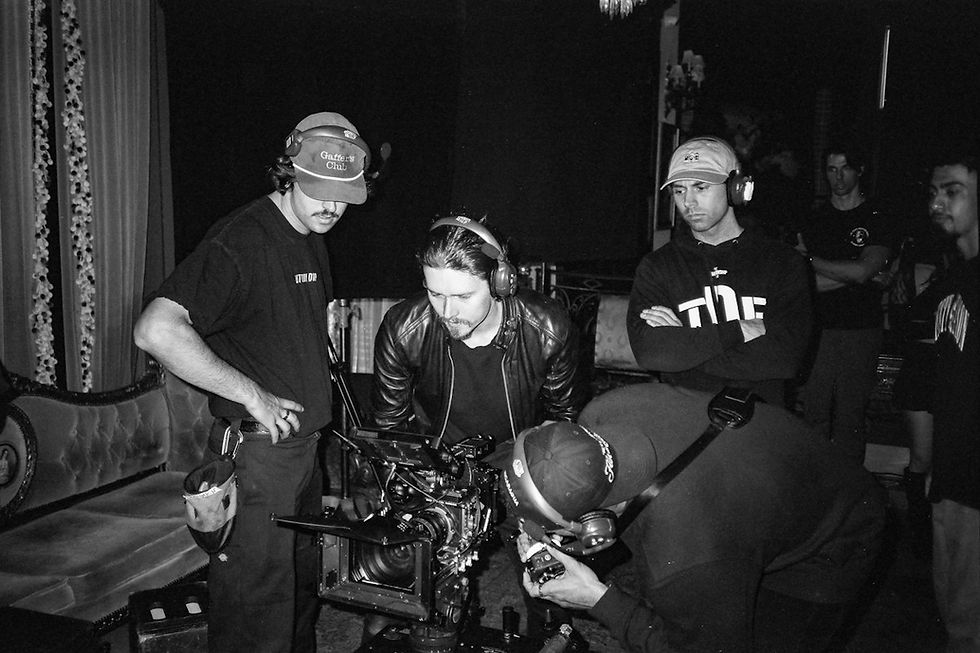
Approve from large decisions to small ones. First review layout, scale, perspective, and story clarity. Then approve architecture, terrain, sky, and atmosphere. Refine materials, lighting, edge work, grain, and tiny details after the world is working. Polishing a wrong skyline or incorrect camera relationship wastes effort and makes later notes expensive.
Give frame-specific feedback through one review owner. A useful note states what is wrong, where it occurs, and the intended result: the tower feels too close from frames 118–145, the haze should increase with distance, or the added window needs to match the practical warm light. Avoid conflicting comments from separate email chains. Keep creative notes distinct from technical delivery notes.
Quality control should inspect the final resolution and color pipeline. Check every frame for edge chatter, track slips, texture seams, banding, dead pixels, noise changes, unexpected crops, and continuity with neighboring shots. Confirm handles, frame range, naming, codec, color space, mattes, and version requirements. If the extension also appears on an LED volume, align post work with the in-camera VFX workflow.
Plan enough time for final review. The production timeline depends on shot count, environment complexity, camera movement, asset reuse, and approval speed. Mimic's VFX timeline guide helps producers identify dependencies before delivery pressure turns small changes into rushed fixes.
Frequently asked questions
What is a set extension in VFX?
A set extension digitally expands a filmed location or practical build beyond its physical limits. It can add architecture, landscape, sky, crowds, damage, or other environment detail.
Is a set extension the same as a matte painting?
A matte painting is one technique used for set extensions. Depending on camera movement, the final solution may combine a 2D painting, projected layers, tracked geometry, and full 3D elements.
When is 2.5D projection enough?
It works well when the camera move is controlled and the scene needs limited parallax. Larger moves, close geometry, changing light, or interaction may require more complete 3D.
Do set extension shots require a green screen?
Not always. Natural edges, rotoscoping, clean plates, or practical foregrounds may be sufficient. Green screen is useful when it produces cleaner separation for the specific action and lighting.
What data should a crew capture on set?
Record lens and camera details, measurements, surveys, clean plates, texture references, HDRIs, lighting references, color charts, and clearly labeled take information.
Why does camera tracking matter?
The track recreates the camera's movement and perspective in digital space. Without an accurate track, added buildings, terrain, or projections can drift or show incorrect parallax.
How long does a set extension take?
A simple locked shot may take days, while a hero moving-camera environment can take several weeks. Design approvals, plate quality, shot count, and required 3D work affect the schedule.
Can one environment be reused across several shots?
Yes, when the asset is planned for the needed angles, cameras, lighting, and resolution. Reuse can improve continuity and value, but each shot still requires tracking, integration, and review.
How should producers review a set extension?
Approve layout and perspective first, then design, lighting, atmosphere, and final integration. Consolidate notes and review the result in motion at final resolution.
Conclusion
Set extension VFX succeeds when production design, camera work, environment creation, and compositing are planned as one shot. A useful practical foreground, complete on-set data, an appropriate 2D or 3D method, and staged reviews let the final world feel photographed rather than added.
If your project needs a larger cinematic world, talk to Mimic VFX about environment design, set extensions, and final compositing.


Comments