Animation vs VFX: What Are the Key Differences?

The worlds of animation and visual effects (VFX) often overlap, especially in modern filmmaking, advertising, gaming, and virtual production. Yet, despite their interconnectedness, they serve very different purposes in the production pipeline. Understanding Animation vs VFX is essential for directors, producers, studios, and even brands searching for the right creative solution.
Today’s audiences expect immersive visuals, whether it’s fully animated characters, photoreal digital creatures, or seamless effects integrated into live-action footage. Companies like Mimic VFX specialize in bridging these worlds by providing cinematic-quality animation, digital humans, motion capture, and cutting-edge VFX for studios and global brands.
This article breaks down the core differences between animation and VFX, explores when to use each, and shows how both disciplines work together to shape today’s media landscape.
Table of Contents
What Is Animation?

Animation is the process of creating movement by sequencing images, models, or drawings. Unlike VFX, which enhances or alters live-action footage, animation often builds entire worlds from scratch.
Animation can include:
2D animation
3D animation
Motion capture-driven animation
Character animation
Procedural animation
Studios like Mimic VFX frequently apply advanced 3D character animation and digital human technology to film, commercials, and music videos, bringing stylized or photorealistic characters to life.
What Is VFX?
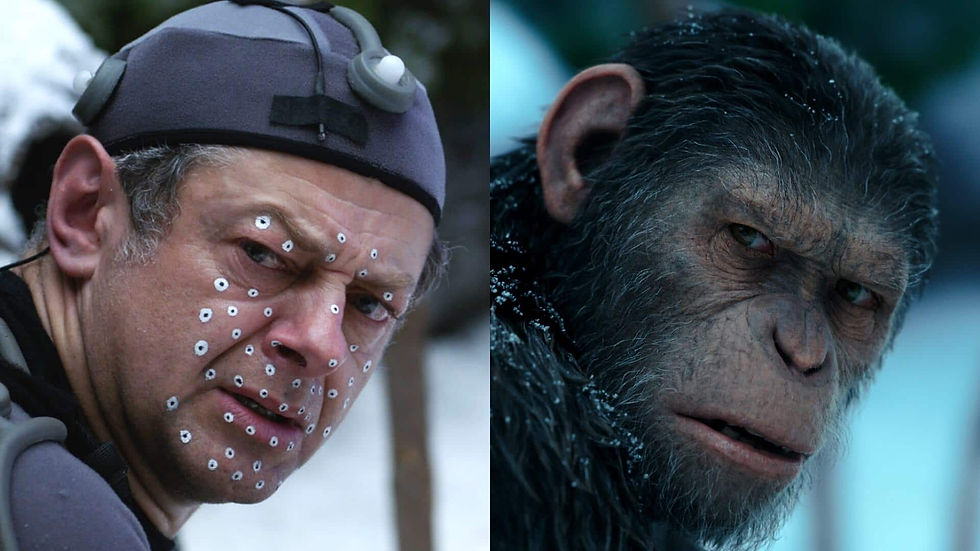
VFX (Visual Effects) refers to the integration of digitally created imagery into live-action footage. It allows filmmakers to produce scenes that would be impractical, dangerous, or impossible to capture on camera.
To dive deeper into VFX fundamentals, you can explore Mimic's article on What Is Visual Effects.
VFX includes:
Compositing
CGI enhancements
Set extensions
Green screen/blue screen integration
FX simulations (fire, smoke, water, destruction)
Digital doubles and creatures
Rotoscoping and cleanup
VFX blends reality with imagination, adding digital assets into filmed plates to make impossible scenes believable.
Animation vs VFX: Key Differences
Although they work hand in hand, animation and VFX differ in several critical ways:
1. Source of Imagery
Animation: Everything is created digitally from scratch.
VFX: Enhances or adds onto existing live-action footage.
2. Use Cases
Animation: Films, games, virtual avatars, explainer videos.
VFX: Action films, realistic environments, cleanup, set extensions.
3. Production Dependency
Animation: Autonomous, no need for filmed footage.
VFX: Dependent on what is shot on set.
4. Realism Requirements
Animation: Can be stylized or photoreal.
VFX: Must match real-world lighting, textures, and cameras.
To learn more about CGI’s role within VFX, check out Mimic’s article on the Difference Between CGI and VFX.
How Animation Works
Animation production involves a full pipeline often beginning long before cameras roll:

1. Concept & Previsualization
Art direction, mood boards, and character exploration.
2. Modeling & Rigging
Characters, props, and environments are built in 3D. Rigs allow for movement.
3. Animation
Artists use keyframes, mocap, or procedural systems to create motion.
4. Texturing, Shading & Lighting
Surfaces are painted and brought to life with advanced lighting setups.
5. Rendering & Compositing
Final frames are generated and enhanced.
Mimic specializes in character-centric animation, especially digital humans - often used in music videos and advertising campaigns.
How VFX Works
The VFX pipeline is more integrated with live-action production:

1. On-Set Planning & Acquisition
Green screens, tracking markers, HDRIs, and camera data collection.
2. Matchmoving & Layout
Reconstructing camera movements within 3D space.
3. Asset Creation
Building 3D objects, creatures, environments, or FX simulations.
4. Compositing
Blending CGI with live-action plates to achieve seamless realism.
5. Cleanup & Final Enhancements
Wire removal, color correction, rotoscoping.
VFX is critical across the film industry, and Mimic’s film projects, featured at Mimic VFX Film - highlight its cinematic applications.
Animation vs VFX: Comparison Table
Category | Animation | VFX |
Depends on Live Footage | No | Yes |
Production Flow | Fully digital | Hybrid (digital + filmed) |
Visual Style | Stylized or realistic | Must match real-world |
Applications | Films, games, avatars | Films, ads, set extensions, FX |
Tools | Maya, Blender, Unreal | Nuke, Houdini, Maya |
Primary Goal | Create movement & personality | Enhance reality or create what cannot be filmed |
Applications Across Film, Advertising & Music Videos
Animation and VFX power storytelling across nearly every modern medium. Mimic VFX contributes to these industries by merging digital characters, creatures, and effects with strong creative direction.
Film Production
Visit Mimic VFX’s Film Work to see examples such as:
Digital doubles
Creature animation
VFX-driven action sequences
Advertising
High-end CGI and photorealistic animation enhance commercial storytelling. See examples at Mimic VFX Advertising.
Music Videos
Directors increasingly rely on digital humans, stylized animations, and surreal VFX. Explore these innovative projects at Mimic Music Videos.
Benefits of Animation

Animation provides creative freedom and world-building possibilities unmatched by traditional filmmaking.
Key Benefits:
Unlimited visual imagination
Full control over lighting, camera, and physics
Ability to create stylized or hyper-real characters
No dependence on physical sets or weather
Ideal for brands seeking iconic or futuristic identities
Benefits of VFX
VFX enhances live-action footage, enabling filmmakers to shoot the impossible.
Key Benefits:
Realistic integration with on-set performances
Cost savings on physical sets, explosions, or environments
Ability to correct mistakes or improve shots
Essential for sci-fi, fantasy, and action genres
Great for realism-driven storytelling
Challenges of Both Fields
Despite their power, animation and VFX involve technical complexity and high production standards.
Challenges:
Time-consuming rendering
High computational requirements
Need for skilled artists and supervisors
Tight deadlines in film and advertising
Maintaining perfect realism (especially in VFX)
The Future of Animation & VFX

AI, real-time engines, and virtual production are transforming both industries.
Key trends include:
Real-time animation with Unreal Engine
AI-assisted rotoscoping, cleanup, and facial animation
Digital humans replacing traditional actors for specific sequences
Virtual production blending filmed and digital worlds
Increasing demand in advertising, gaming, and immersive media
As technologies merge, the line between animation and VFX becomes even blurrier—making hybrid workflows the new norm.
FAQs About Animation vs VFX
1. What is the main difference between animation and VFX?
Animation creates movement entirely digitally, while VFX integrates digital elements into live-action footage.
2. Which is more expensive: animation or VFX?
Costs vary, but VFX is often pricier due to compositing, cleanup, and integration with live-action footage.
3. Can animation and VFX be used together?
Absolutely. Most modern films combine animated characters, CGI sets, and VFX compositing.
4. Is CGI the same as animation?
CGI refers to computer-generated imagery. It can be used in both animation and VFX. Learn more at Difference Between CGI and VFX.
5. Do music videos use animation or VFX more?
Both are popular, animated worlds and digital humans often mix with heavy VFX to achieve surreal visuals.
6. Which career is better: animation or VFX?
Both offer strong demand. Animation is ideal for character-focused artists; VFX suits those who enjoy realism and integration.
7. Is VFX easier than animation?
No - both require years of expertise. Animation demands strong motion and performance skills; VFX requires technical accuracy and compositing mastery.
8. What software is used for animation vs VFX?
Animation uses Maya, Blender, Unreal; VFX uses Nuke, Houdini, Maya, and compositing tools.
Conclusion
Although animation and VFX are closely related, they serve fundamentally different roles in production. Animation builds entire worlds, characters, and performances from scratch, while VFX enhances filmed reality by integrating digital elements.
Studios like Mimic VFX excel at bringing both disciplines together—crafting photoreal digital humans, cinematic animations, and seamless VFX for film, advertising, and music videos. Whether you’re developing a feature film, a high-end commercial, or an experimental music video, Mimic’s expertise ensures your visuals reach the highest creative and technical quality.


Comments