Difference Between CGI and VFX: Examples, Uses, and Real-World Applications

The world of digital imagery has evolved rapidly, giving filmmakers, advertisers, game studios, and content creators more creative freedom than ever before. Yet, one of the most common misconceptions in this space is the difference between CGI and VFX—two terms often used interchangeably, but which serve distinct roles in modern content production.
Understanding the difference between CGI and VFX helps studios choose the right techniques, allocate budgets efficiently, and ultimately create more compelling visual experiences. Whether you’re producing a feature film, an advertising campaign, a music video, or a game cinematic, knowing how CGI and VFX work together empowers you to bring ideas to life with precision and creativity.
This guide breaks down origins, workflows, tools, examples, applications, challenges, and future trends—along with real-world insights relevant to high-end studios like Mimic VFX.
Table of Contents
What Is CGI?

Computer-Generated Imagery (CGI) refers to the creation of fully digital elements—characters, environments, props, simulations, and effects—built from scratch using 3D software. CGI can exist independently of real footage or be integrated into live-action scenes.
CGI includes:
3D modeling (characters, creatures, objects)
Texturing and material creation
Rigging and animation
Lighting and rendering
Particle simulations (smoke, fire, water)
Digital environments and set extensions
CGI is especially common in animated films, game cinematics, product visualizations, and commercials where impossible or hyper-real scenes are required.
What Are VFX?
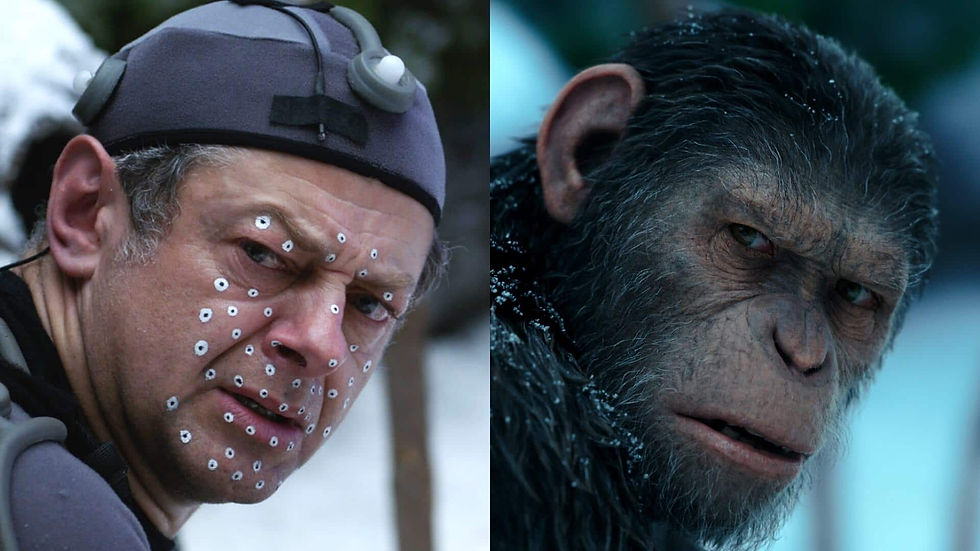
Visual Effects (VFX) refer to the process of combining live-action footage with digital enhancements. Unlike CGI - which is purely digital—VFX merges real-world elements with computer-generated elements to create a seamless final shot.
VFX includes:
Compositing live action with CGI
Green/blue screen keying
Matte painting
Cleanup and retouching
Explosion replacements or enhancements
Match-moving and camera tracking
Digital doubles and crowd simulation
If the effect alters reality after filming, it is considered VFX. For deeper insight into VFX fundamentals, see What is Visual Effects?.
Key Difference Between CGI and VFX

The primary difference between CGI and VFX lies in their purpose and integration:
CGI = Creating digital assets from scratch
VFX = Integrating digital assets into real footage
You can think of CGI as the “ingredients” and VFX as the “cooking” that blends them into a final shot. While CGI can exist alone (such as in animated films), VFX always involves a combination of real and digital elements.
How CGI Is Created: The Workflow

CGI production follows a meticulous pipeline involving technical artistry and creative problem-solving. Before CGI is delivered to a VFX compositor, it undergoes several steps:
Concept & Previsualization
Sketches, storyboards, mood boards
Low-resolution previs scenes
3D Modeling
Characters, environments, props
High-poly vs. low-poly techniques
Texturing & Shading
UV unwrapping
PBR material creation
Rigging & Animation
Skeleton-building
Face rigs, muscle rigs
Keyframe or motion capture animation
Lighting & Rendering
HDRI lighting
Path tracing, ray tracing
FX Simulation
Fluids, smoke, destruction
Final Export
Layered passes for compositing (beauty, specular, depth, etc.)
For gaming projects like those seen in Mimic VFX’s game division, CGI may be rendered in real-time engines like Unreal or Unity.
How VFX Is Created: The Workflow

VFX adds digital enhancements to live-action footage to elevate realism or achieve the impossible. The VFX pipeline usually includes:
Plate Acquisition
Filming live scenes
Motion tracking markers
Match-Moving & Tracking
Reconstructing camera motion digitally
Essential for integrating CGI into plates
Rotomation & Rotoscoping
Isolating subjects or objects
Creating movement-matched digital doubles
Compositing
Combining CGI, live footage, matte paintings
Color matching, depth integration, blending
Cleanup & Refinement
Removing rigs, props, wires
Enhancing realism
Whether it’s a supernatural transformation scene, futuristic interface, or environmental augmentation, VFX brings digital worlds into real ones.
CGI vs. VFX: Comparison Table
Feature | CGI | VFX |
Definition | Fully digital imagery | Integration of CGI with real footage |
Used In | Animated films, game cinematics, digital products | Films, commercials, music videos, live-action sequences |
Tools | Maya, Blender, Houdini, ZBrush | Nuke, After Effects, Fusion |
Output | Digital assets or full scenes | Final shot combining real & digital |
Difficulty | Technically complex | Logistically & artistically complex |
Example | Pixar animation | Marvel superhero fight scenes |
Examples of CGI in Films, Games & Advertising

CGI has become a universal tool for storytelling and marketing. Common use cases include:
Film
Fully digital creatures (dragons, aliens)
Futuristic vehicles and environments
Digital crowds in epic battle scenes
Games
Cinematic trailers
Character animation using advanced rigs
Real-time environments
Advertising
Product renders for luxury goods
Animated brand mascots
Unrealistic or exaggerated transformations
High-end CGI as used in advanced commercial campaigns is often produced by teams like Mimic VFX—known for photoreal characters and dynamic animated assets.
Examples of VFX in Films, Games & Advertising

VFX breathes realism into impossible scenes. Some examples include:
Film
Superhero sequences integrating actors with CGI
Green screen compositing
Environment reconstruction
Advertising
Seamless product transitions
FX-driven beauty shots
Liquid simulations for beverage ads(See Mimic VFX Advertising Work for examples.)
Music Videos
Stylized digital looks and surreal effects
Face replacements or body transformations(View more at Mimic VFX Music Videos.)
Games
VFX-driven cutscenes
Real-time particle systems
Blend of CGI and compositing
Real-World Applications Across Industries
CGI and VFX are now essential across nearly every digital production domain.
Film & Television
Hyper-real creatures and environments
Explosions, destruction, and supernatural elements
Digital doubles, crowd simulations
Gaming
Real-time VFX simulations
Complex character animation workflows
Advertising & Marketing
CGI product demos
Realistic simulations for food, fashion, tech
Cinematic storytelling
Music Videos
Digital set extensions
Stylized effects and world-building
Corporate & Brand Content
Digital product showcases
Architectural visualization
Learn more about how studios apply these techniques in real productions at Mimic VFX and its specialized work in film (https://www.mimicvfx.com/film).
Benefits of CGI
CGI offers unique advantages that make it one of the most powerful tools in digital content creation:
Unlimited creative flexibility
Cost-effective worldbuilding
Avoids logistical challenges like dangerous stunts
Hyper-real product visualization
Editable at any stage of production
Reusable assets for cross-media use
Benefits of VFX
VFX extends realism, enhances live-action worlds, and enables directors to achieve visuals impossible on set.
Combines real and digital elements seamlessly
Saves costs vs. practical stunts or props
Fixes mistakes from filming
Enables futuristic or surreal storytelling
Optimizes time by reducing reshoots
Challenges of CGI and VFX
Even though powerful, both techniques come with challenges:
Challenges of CGI
Time-intensive asset creation
Requires highly skilled technical artists
Long rendering times
Budget constraints for hyper-real results
Challenges of VFX
Requires excellent on-set planning
Compositing can be complex
Matching lighting and camera movement is difficult
Integrating CGI convincingly can be costly
The Future: AI, Virtual Production & Real-Time Pipelines
CGI and VFX are evolving faster than ever, thanks to innovations like:
AI-assisted animation & roto
Real-time rendering with Unreal Engine
Virtual Production LED stages
Automated match-moving
Procedural simulations via machine learning
Studios like Mimic VFX are adopting these technologies to streamline workflows and deliver more photoreal, high-end content across film, games, advertising, and music videos. Learn more about the team behind these innovations at Mimic VFX About Us.
FAQs on the Difference Between CGI and VFX
1. What is the main difference between CGI and VFX?
CGI refers to fully digital assets, while VFX refers to combining digital assets with real footage.
2. Can CGI exist without VFX?
Yes—animated films and game cinematics often use only CGI with no live-action footage.
3. Can VFX exist without CGI?
Sometimes, such as cleanup, color adjustments, or practical plate compositing. But most modern VFX includes CGI elements.
4. Which is more expensive: CGI or VFX?
It depends on complexity:
CGI can be costly for highly detailed assets.
VFX becomes expensive when integrating many digital layers into live footage.
5. Are CGI and VFX used in advertising?
Absolutely. Ads rely heavily on both CGI (product renders) and VFX (plate enhancements). See Mimic VFX Advertising for examples.
6. Do music videos use CGI or VFX more?
Most use a combination—stylized CGI elements plus VFX compositing. Visit Mimic VFX Music Videos for real examples.
7. Is virtual production replacing CGI and VFX?
No. It enhances them. CGI still builds digital assets, and VFX integrates final shots.
8. Which is better for gaming: CGI or VFX?
Both. CGI creates characters/environments, while VFX drives real-time effects like explosions, particles, and UI elements.
Conclusion
Understanding the difference between CGI and VFX is essential for anyone involved in modern digital production. CGI builds the digital world; VFX blends it seamlessly into reality. Together, they shape nearly every visual medium—from Hollywood blockbusters and AAA game cinematics to high-end commercials and music videos.
Studios like Mimic VFX specialize in both disciplines, delivering photoreal CGI characters, seamless VFX integration, and cutting-edge digital content across industries including film, advertising, music videos, and gaming. Whether you're bringing a creature to life or enhancing a live-action plate, Mimic VFX provides the expertise and pipeline needed for world-class visuals.


Comments