
Character Texturing & Look Development
Skin and material work for 3D characters. Scope texture maps, UVs, reference lighting and a tested handoff to the receiving rendering pipeline.
Explore the possibilities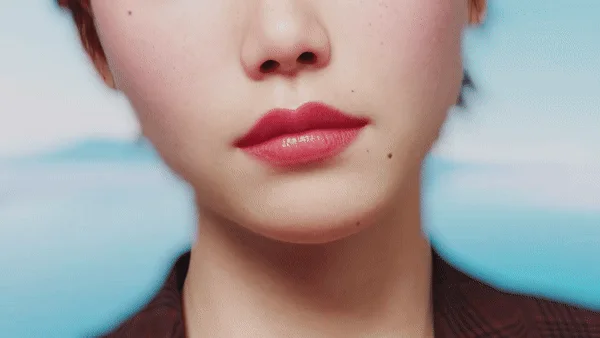
Inside the craft.
A detailed texture does not guarantee a believable character. The surface needs to behave correctly under the lighting used in the shot. Character texturing connects the approved model to that look, from skin detail to the materials of the costume and accessories.
Start with an approved model and usable reference
Provide the model, UV layout, material assignments and the intended camera distance. Include reference captured under known lighting where available. A photograph taken under coloured or highly directional light can make it hard to separate the surface colour from the lighting effect.
Identify what is already approved: likeness, age, makeup, costume colour and the level of stylisation. Changes to those decisions can affect several maps and shaders. Review the broad material response before spending time on fine pores or isolated surface marks.
Agree maps and look-development responsibilities
Mimic Productions’ character services include modelling and texturing from scans, reference images or concept art. For an existing model, a separate surface brief can identify the texture work needed without commissioning a new character build.
Specify map types, colour handling, file naming, resolution and the target shader or renderer. Decide whether the handoff is textures only, a shaded asset or an approved look-development scene. Those outputs need different checks and should not be inferred from the word “texturing”.
Test in the receiving scene
Review the character under a small, agreed set of lighting conditions and at the relevant shot scale. Check transitions between materials, visible seams and how detail survives the intended camera distance. The final scene should use the same asset version approved by the production.
Character modelling covers changes to form and topology. Digital-double production covers the wider likeness brief. Hair, cloth simulation, rigging and finished animation are additional stages, not implied parts of a texture handoff.
Your questions, answered.
Can you texture an existing character?
Send the model, UVs, intended use and target rendering pipeline for review. Asset condition determines whether surface work can begin directly.
Are texture maps enough for final rendering?
The receiving shader, lighting and colour workflow affect the result. A shaded asset or look-development scene must be specified if it is required.
Does texturing include hair grooming?
Not automatically. Hair structure, grooming and simulation need their own scope even when they contribute to the final character look.
Useful links and briefing questions
What should I include in my brief?
Share your treatment or shot list, available assets, delivery formats and target dates.
Discuss your project ↗