Advertising VFX is no longer only a finishing layer for commercials. For modern brands, it is a way to build worlds, make products feel premium before they physically exist, create memorable digital mascots, and deliver campaign visuals that can scale across film, social, ecommerce, games, and immersive formats.
Mimic VFX brings this work together through photoreal 3D characters, high-end compositing, product visualization, AI-supported workflows, and cinematic craft. The strongest brand campaigns do not choose between imagination and believability. They use visual effects to make the impossible feel designed, tangible, and emotionally clear.
This guide explains where advertising VFX fits, when to use product renders or digital mascots, what assets a brand should prepare, how to measure results, and how to keep creative control when AI and automation become part of the production workflow.
Table of Contents
What Advertising VFX Means for Brands
Advertising VFX is the use of visual effects, CGI, compositing, animation, and digital production techniques to create brand imagery that could not be captured as effectively with live action alone. It may be invisible, such as product cleanup and seamless integration, or highly visible, such as a digital mascot, surreal environment, or cinematic product transformation.
On the Mimic VFX advertising page, the studio frames this work around photoreal product renders, digital mascots and characters, and high-end compositing. Those three lanes cover most brand needs: show the product beautifully, give the campaign a memorable character, and make the final image feel premium enough to carry the brand.
Why Advertising Teams Use VFX
Brands use advertising VFX when they need control, speed, flexibility, and a level of visual polish that physical production cannot always guarantee. A live shoot is still valuable, but VFX lets a team protect the idea after the shoot, build impossible moments, and create versions for many markets without rebuilding the campaign every time.
Premium product control: materials, lighting, reflections, scale, and camera movement can be refined until the product feels desirable.
Campaign flexibility: the same CG asset can support hero film, cutdowns, ecommerce images, social formats, and seasonal variants.
Impossible storytelling: products can transform, float, reveal hidden layers, or exist in worlds that would be too expensive or risky to shoot.
Brand consistency: once a character, product model, or lighting language is approved, it can be reused with less drift across future campaigns.
Product Renders, Digital Mascots, and Compositing
The best advertising VFX brief names the job the effect must do. A product render, a digital mascot, and a composited live-action shot can all look cinematic, but each solves a different brand problem.
Photoreal Product Renders
Use product renders when the campaign needs ideal lighting, impossible camera paths, design details, or visuals before the physical product is available. This is valuable for beauty, technology, automotive, luxury goods, and concept launches where the product must feel real and aspirational at the same time.
Digital Mascots and Characters
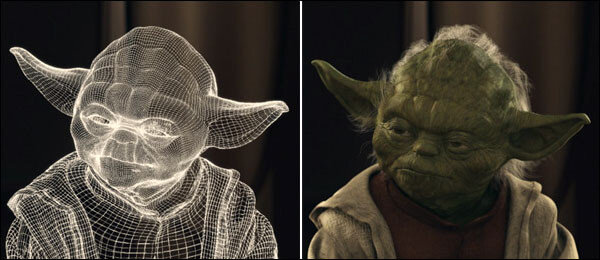
Use a digital mascot when a brand needs memory, personality, and repeatable storytelling. A character can appear in commercials, social clips, games, AR filters, events, and customer experiences if the rig, design rules, and rights are planned from the start.
High-End Compositing
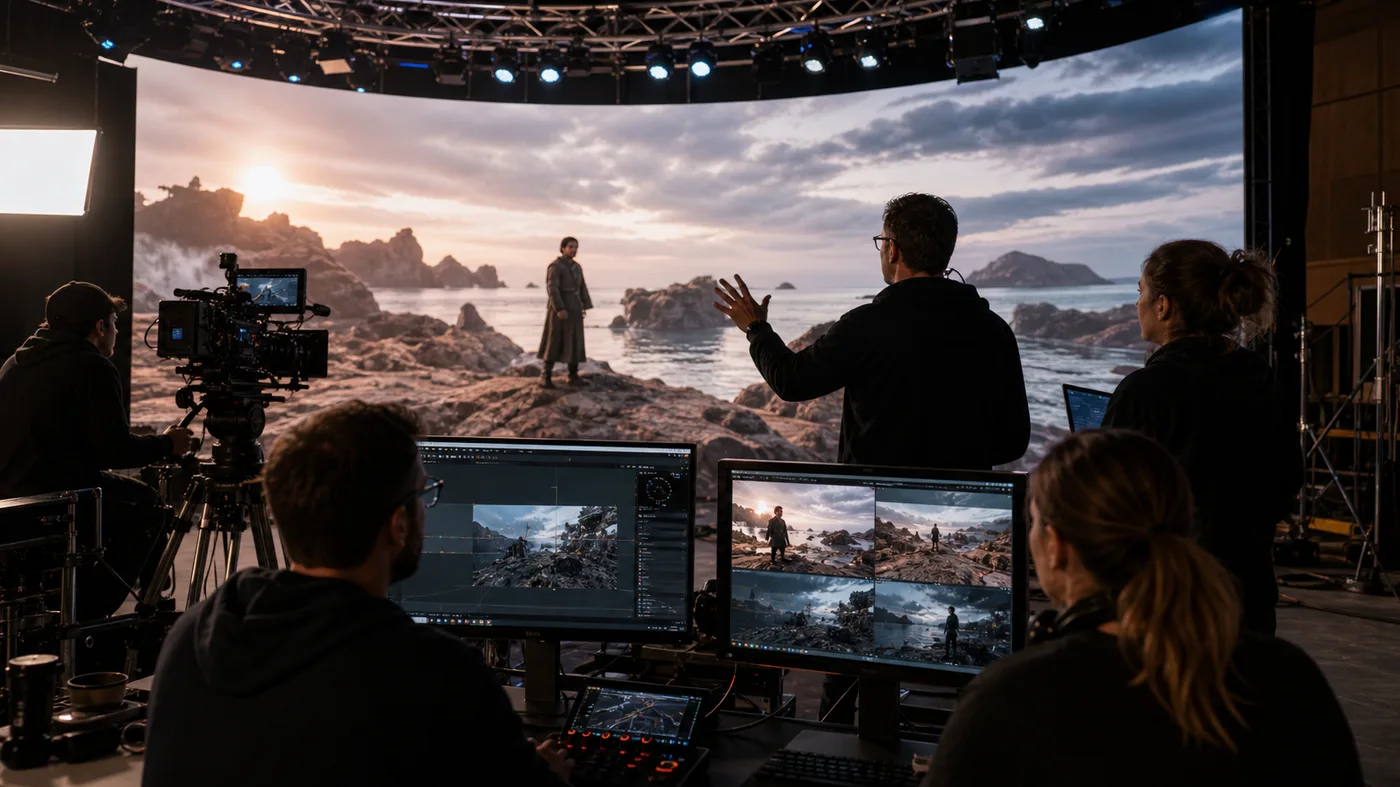
Use compositing when live action carries the emotion but the final frame needs polish, replacement, extension, cleanup, or a CG element that must feel as if it was filmed. This is where visual effects craft protects believability instead of calling attention to itself.
How Advertising VFX Supports the Customer Journey
Advertising VFX is strongest when it is planned around a customer journey, not just around a beautiful image. At discovery, it must stop the scroll. During consideration, it must explain why the product or brand is different. At conversion, it should reduce doubt. After purchase, it can become a reusable asset for loyalty, onboarding, and community content.
Discovery: cinematic visuals, impossible product moments, mascots, and memorable worlds create attention quickly.
Consideration: product details, material qualities, scale, transformation, or technical features become easier to understand.
Conversion: polished assets support landing pages, ecommerce modules, point-of-sale screens, pitch decks, and retail media.
Retention: approved characters and product assets can return in updates, tutorials, community drops, and seasonal campaigns.
Use Cases Across Campaign Types
A fashion brand, a tech company, a beverage launch, a game trailer, and a luxury automotive campaign do not need the same VFX treatment. The useful question is what the audience must believe in the first few seconds.
Product launches: photoreal CG can reveal surfaces, internal mechanics, scale, and premium details before production photography is final.
Character-led campaigns: digital mascots support repeatable storytelling and can connect advertising with game, immersive, or social activations.
Performance-led music and creator campaigns: VFX can extend an artist identity while protecting recognizability and timing.
Interactive and immersive campaigns: the same assets can be adapted for AR, VR, real-time showcases, or brand experiences when built with reuse in mind.
This is why advertising VFX often overlaps with game cinematics, immersive experiences, and music video effects. A strong brand asset should not be trapped in one format if the campaign can benefit from reuse.
Assets and Data to Prepare
Most advertising VFX problems begin before artists start. A vague brief, missing product references, unclear usage rights, or late format requirements can create avoidable rework. A clean handoff gives the team better creative freedom because the boundaries are known.
Brand inputs: campaign goal, audience, tone, product promise, brand guidelines, claims, and approval owners.
Product inputs: CAD, scans, reference photography, material notes, packaging files, dimensions, and approved color standards.
Production inputs: plates, lens data, HDRI, camera movement, edit references, frame ranges, and delivery specs.
Rights inputs: likeness permissions, usage windows, territories, AI permissions, talent approvals, and third-party asset restrictions.
A Practical Advertising VFX Workflow
A good advertising VFX workflow starts with the campaign decision, not with the software. What does the audience need to feel, understand, or do after seeing the asset? Once that answer is clear, the team can choose whether the work should be live action, CG, hybrid, AI-assisted, or real-time.
Define the campaign job: awareness, product proof, brand world, launch film, social system, or retail support.
Choose the right visual method: product render, digital character, high-end composite, AI-assisted enhancement, or hybrid production.
Prototype the look with approved references so client, agency, director, and VFX team align early.
Build reusable assets with naming, versioning, color pipeline, format needs, and rights clearly documented.
Finish through animation, lighting, rendering, compositing, review, QC, localization, and platform exports.
For complex campaigns, the workflow often connects with AI VFX services for rapid exploration, cleanup, enhancement, or variation. The important rule is simple: AI may accelerate the process, but brand approval and final polish still need human creative supervision.
Mistakes to Avoid
Advertising VFX fails when the image is impressive but the brand job is unclear. A floating product, CG mascot, or glossy transformation can still underperform if it does not make the offer easier to understand or remember.
Starting without approved product truth, which leads to materials, packaging, or proportions that look beautiful but incorrect.
Treating a digital mascot as one asset instead of a character system with rigging, expression rules, voice, and long-term usage rights.
Approving a still frame without testing motion, edit rhythm, social crops, color grade, and final platform compression.
Ignoring the handoff between agency, production, VFX, media, ecommerce, and localization teams until the delivery deadline is close.
KPIs for Advertising VFX
A beautiful campaign still needs measurement. The right KPIs depend on whether the VFX asset is built for awareness, conversion, sales enablement, ecommerce, or long-term brand building.
Attention quality: thumb-stop rate, view-through rate, completion, replay, shares, and brand recall.
Product understanding: clicks to specifications, time on product modules, comparison engagement, and reduced pre-sale questions.
Production efficiency: number of usable format variants, localization speed, reshoot avoidance, and asset reuse across channels.
Brand quality: consistency of product appearance, approval rounds, sentiment, earned media pickup, and creative longevity.
Responsible AI, Likeness, and Brand Trust
Advertising VFX often touches identity: a performer, public figure, digital mascot, synthetic voice, brand character, or AI-assisted face. That makes rights and governance part of the creative brief, not paperwork after the fact.
Teams should document what can be generated, what must be approved by a human, where likeness or voice can appear, how long assets may be reused, and whether the audience should be told that an interaction or image is AI-assisted. Strong governance protects the brand and gives artists clearer room to work.
Future Trends in Advertising VFX
Advertising VFX is moving toward reusable brand systems. Instead of making one expensive hero film and starting again next season, brands are building approved CG product libraries, character rigs, real-time environments, AI-assisted versioning workflows, and immersive extensions that can support many campaigns.
The future will also be more interactive. A digital mascot may appear in a commercial, a game event, an AR lens, a retail screen, and a conversational customer experience. A product render may become a web configurator, a social asset, and a launch film. Studios that understand Mimicverse-style digital ecosystems will be better positioned to connect campaign craft with long-term asset strategy.
Frequently Asked Questions
What is advertising VFX?
Advertising VFX is the use of visual effects, CGI, animation, compositing, and digital production to create or enhance brand campaign visuals for commercials, social content, ecommerce, immersive experiences, and product launches.
When should a brand use product renders instead of photography?
Use product renders when the physical product is not available, the lighting must be perfectly controlled, internal details need to be shown, or the campaign needs many versions without repeated shoots.
What is a digital mascot in advertising?
A digital mascot is a CG or animated character created for a brand. It can carry personality, appear across campaigns, support social content, and become a recognizable part of the brand world.
How does VFX improve commercial production?
VFX can improve commercial production by enabling impossible visuals, fixing or extending live-action shots, creating product variants, reducing reshoots, and giving teams more control over final polish.
Can advertising VFX assets be reused?
Yes. If reuse is planned early, CG products, character rigs, environments, and approved lighting setups can be adapted for films, social cutdowns, ecommerce visuals, AR experiences, and future campaigns.
Does AI replace traditional advertising VFX?
No. AI can support exploration, cleanup, enhancement, versioning, and speed, but final brand quality still depends on artists, supervisors, compositing, product truth, and client approval.
What should be included in an advertising VFX brief?
Include the campaign goal, audience, product references, brand rules, delivery formats, rights notes, look references, timeline, approval owners, and any source plates or production data available.
How do you measure advertising VFX success?
Measure success through attention, brand recall, engagement quality, conversion signals, product understanding, approval efficiency, asset reuse, and whether the campaign supports the intended customer journey.
Can Mimic VFX create both product renders and character-led advertising?
Yes. Mimic VFX’s advertising work includes photoreal product renders, digital mascots and characters, and high-end compositing for campaigns that need cinematic polish and scalable brand assets.
Conclusion
Advertising VFX works best when it is treated as a campaign asset system, not a one-off visual flourish. Product renders, digital mascots, compositing, AI-assisted workflows, and immersive extensions all become stronger when they connect back to brand strategy, product truth, rights, and measurable customer behavior.
For brands, agencies, and production teams that need cinematic product visuals, memorable digital characters, or scalable campaign worlds, Mimic VFX can help create advertising VFX that makes the impossible feel premium, believable, and ready for every channel.